




Why do you need a survival axe? When people think about prepping gear, they usually focus on the obvious items first. Things like emergency food kits, water filtration, firearms, medical supplies, generators, and radios tend to dominate the conversation. While all of those things matter, one tool that consistently proves its worth in real-world survival situations is the axe.
A quality axe or hatchet remains one of the most practical and versatile tools a person can own. Since cavemen (and women, of course) existed, “axes” in some shape or another have been used to build shelters, process firewood, clear land, hunt, and survive in harsh environments. Even now, with access to battery-powered tools and modern equipment, a dependable axe still offers advantages that are difficult to replace when things go wrong.
In real emergency times, simplicity matters. Especially in long-term scenarios, batteries eventually die, fuel becomes scarce, and sometimes, silence is critical. That reliability and ability to fly under the radar is exactly why axes continue to hold an important place in preparedness.
Practical Value of a Survival Axe
One of the biggest advantages of an axe is versatility. Most survival gear is designed around a fairly narrow purpose, but an axe can solve a wide range of problems in both wilderness and urban emergencies.

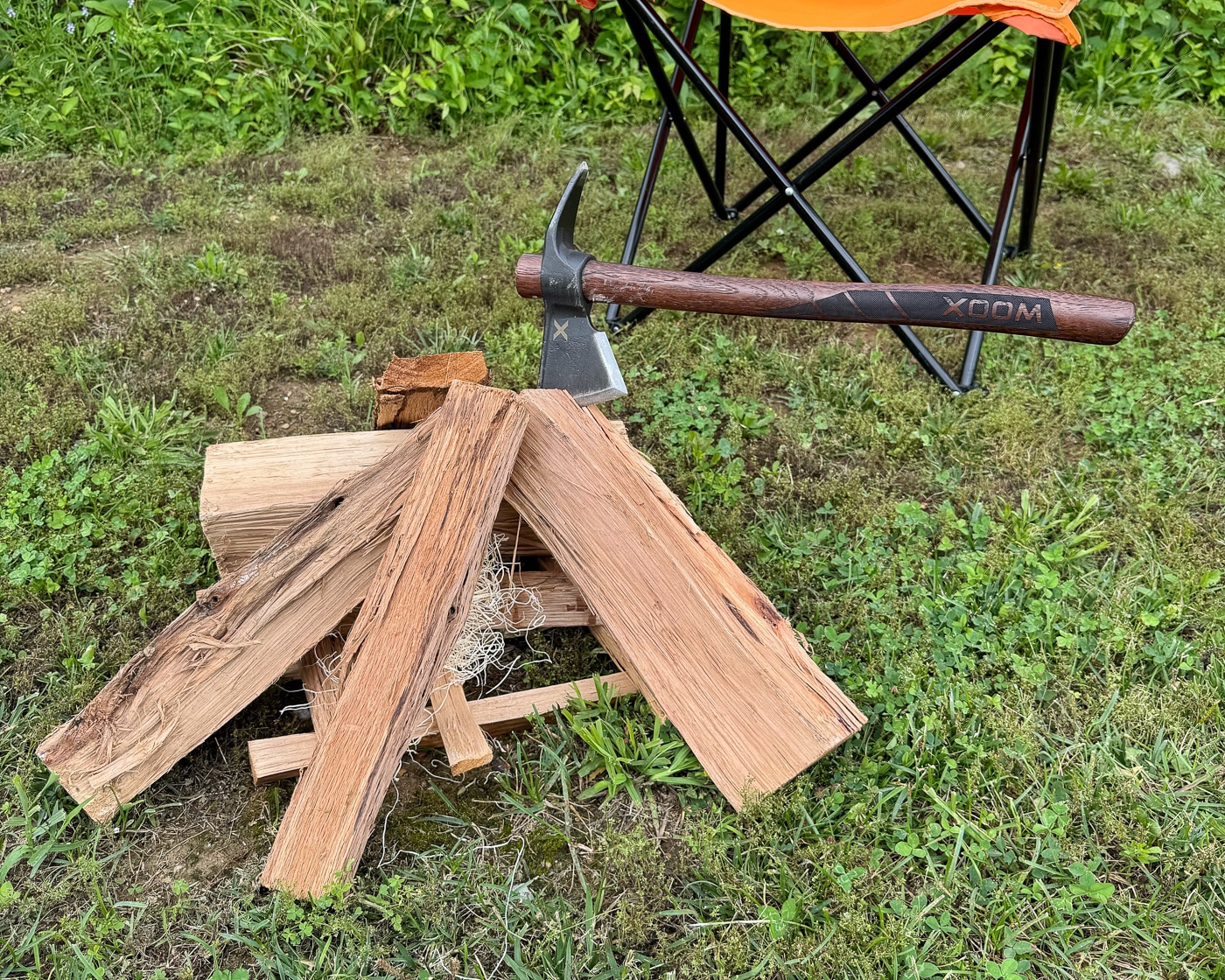
The most obvious use is firewood processing. Fire becomes critically important in survival scenarios, not just for warmth, but it also allows you to cook food, boil water and dry wet clothing quickly.
Shelter building is another area where axes shine. Even outside of traditional wilderness environments, an axe can help clear debris, remove obstacles, or assist with DIY repairs after storms or disasters. Those benefits increase tenfold if you’re in a true wilderness survival environment.
Another overlooked advantage is durability. Compared to powered tools, axes require very little maintenance. Keep the edge reasonably sharp and the handle intact, and a quality axe can last decades. That level of dependability matters when supply chains fail or when replacement parts are no longer readily available.

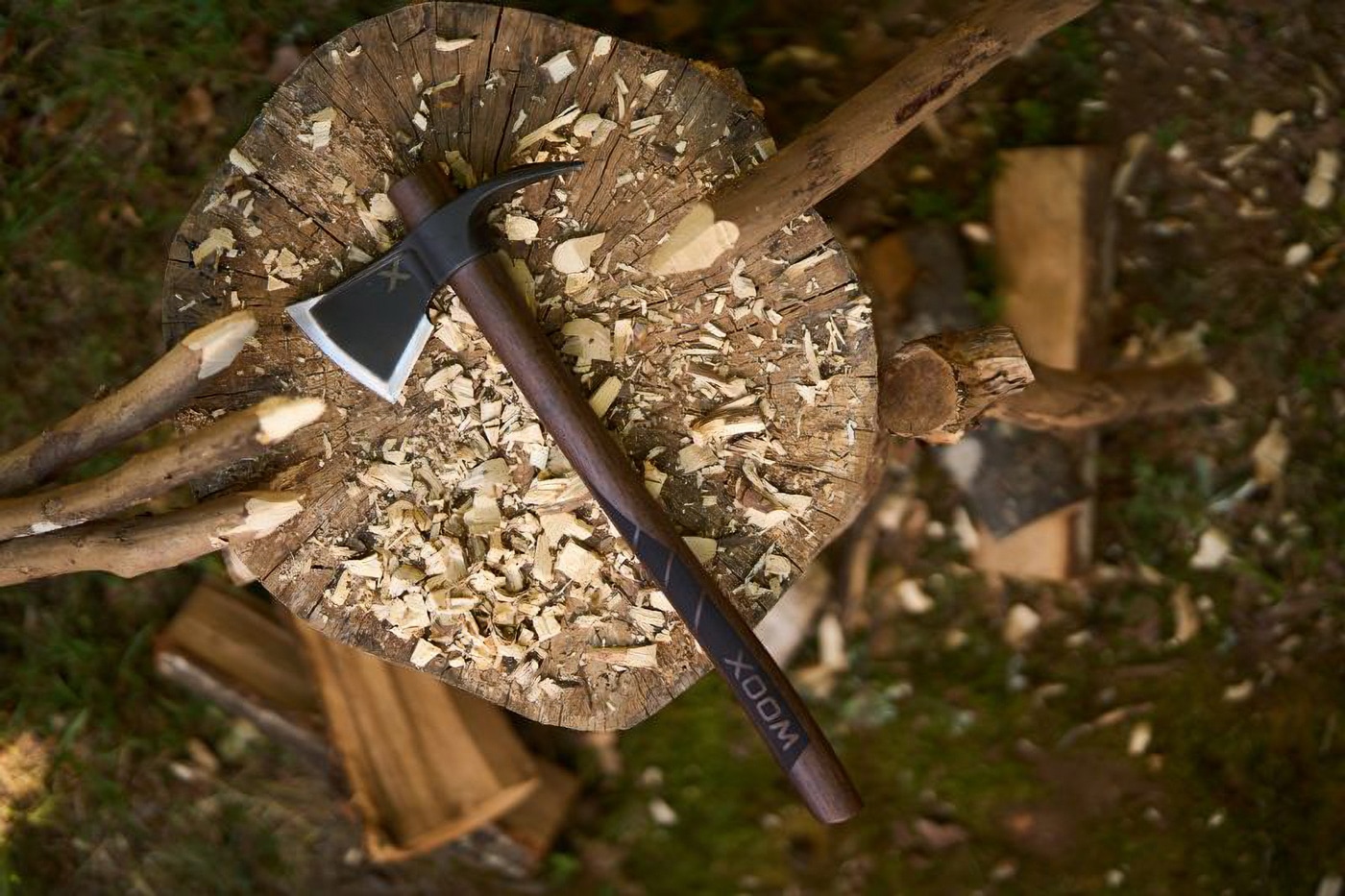
Axes also operate quietly. That may not seem important at first, but noise mitigation becomes a real consideration in long-term emergencies. Chainsaws are effective, but they are loud. An axe can accomplish many of the same tasks without announcing your location to everyone nearby.
Last but certainly not least, axes can be used effectively in self-defense scenarios. While your firearm would likely serve as your primary defense, unless you have a large ammo reserve you could run out in a truly dire emergency. In an absolute worst-case scenario like this, manual tools like the axe can serve as a backup indefinitely.
Why the Right Axe Matters
Not every axe is equally suited for preparedness use. Cheap hardware store options often use low-quality components that result in weak handles and dull edges. The last thing you want in a time of actual need is an axe that falls apart during the easiest of tasks.

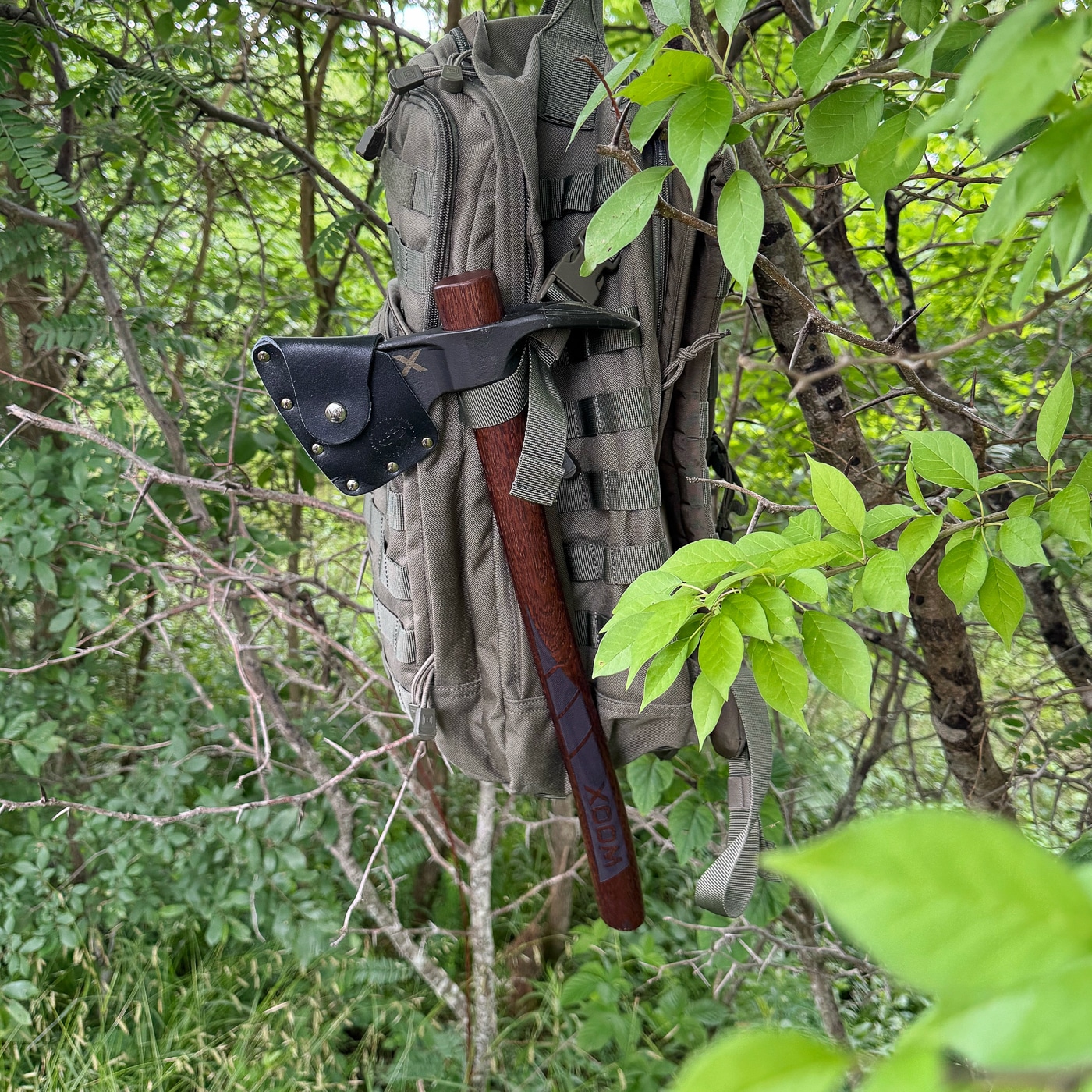
A good survival axe should also feel balanced and be durable, while striking a practical balance between portability and capability. Oversized axes may offer tremendous chopping power, but they can be unwieldy, while smaller novelty hatchets often sacrifice usability for compactness.
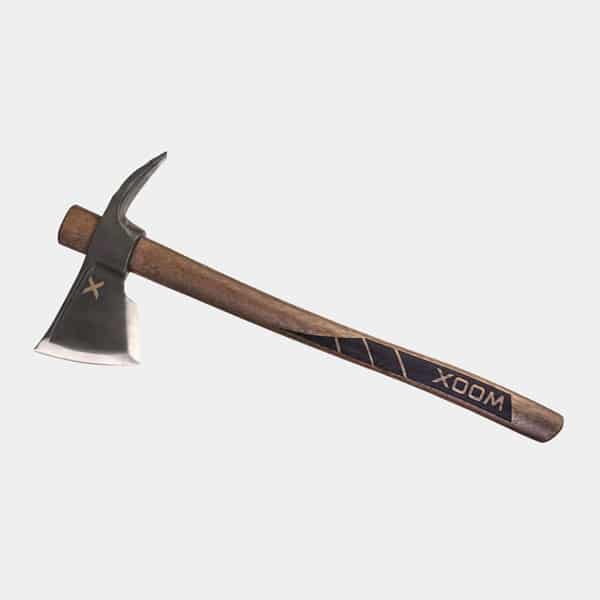
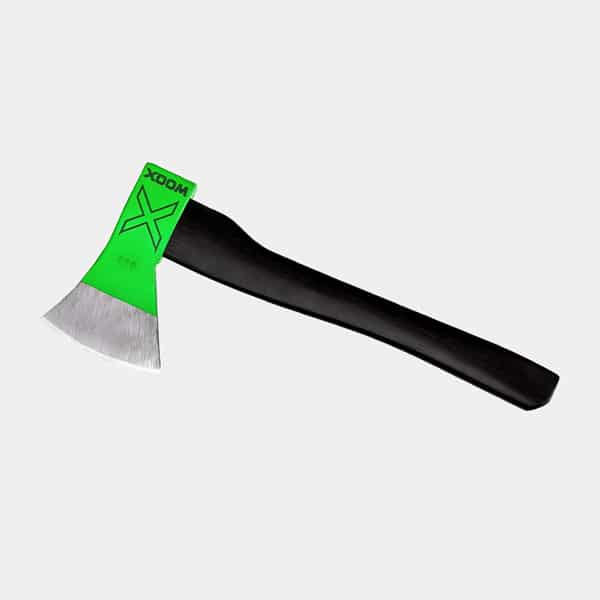
That middle ground is where certain modern camping or survival axes really stand out, and the one that pops up in my mind is the WOOX Solo axe. Instead of trying to be a gimmicky “tactical” tool, it focuses on quality construction and real-world outdoors usability.
One area where the Solo performs particularly well is campsite preparation. Rarely are campsites clear when you arrive. There are usually small branches, roots or low limbs that need to be removed before setting up a shelter or a sleeping area. The Solo comes extremely sharp out of the box and makes light work of trimming limbs and small branches. Its size also makes it excellent for creating kindling and processing medium-sized pieces of firewood.


Live The Armory Life. The latest content straight to your inbox plus an automatic entry to each of our monthly gun giveaways!
The Solo also has enough strength thanks to the Appalachian Hickory handle and tempered carbon steel head to handle light prying and general utility work. The chisel tip found on the opposite side of the main cutting edge not only aids in prying, but in my opinion, makes the Solo a highly effective defensive tool.
It doesn’t get much more versatile than being able to split wood, clear brush, pry open doors and fight using a single compact tool.
Axes For The Road
Now, if your bugout bag or emergency kit is already tipping the scales or you don’t have much room left, you can opt for an even smaller axe while still realizing a ton of versatility. An axe that is easy to carry is far more likely to actually be with you when it matters.
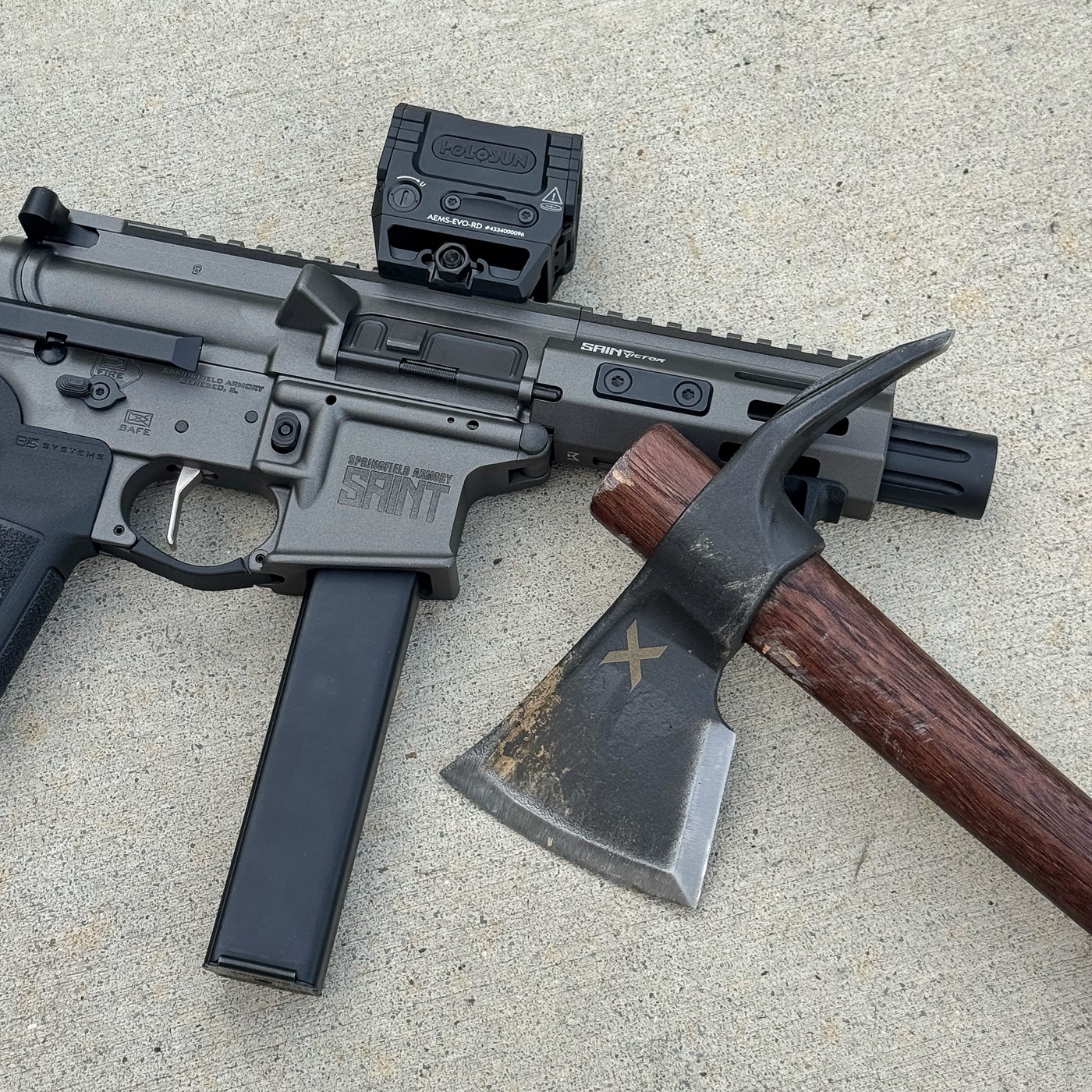
The WOOX Thunderbird fills that lightweight role extremely well while still offering a surprising amount of utility. Small branches, kindling, and light wood processing jobs are all well within its capabilities.
One unique aspect of the Thunderbird is that, as a throwing axe, it adds another layer of versatility. Being that it’s designed and weighted specifically for throwing, you can keep a safe distance between yourself and a threat without having to get close enough to be grabbed (assuming you have the skills to do this and are willing to risk losing your weapon should you miss). With enough practice, a throwing axe can be a useful backup weapon without a doubt.

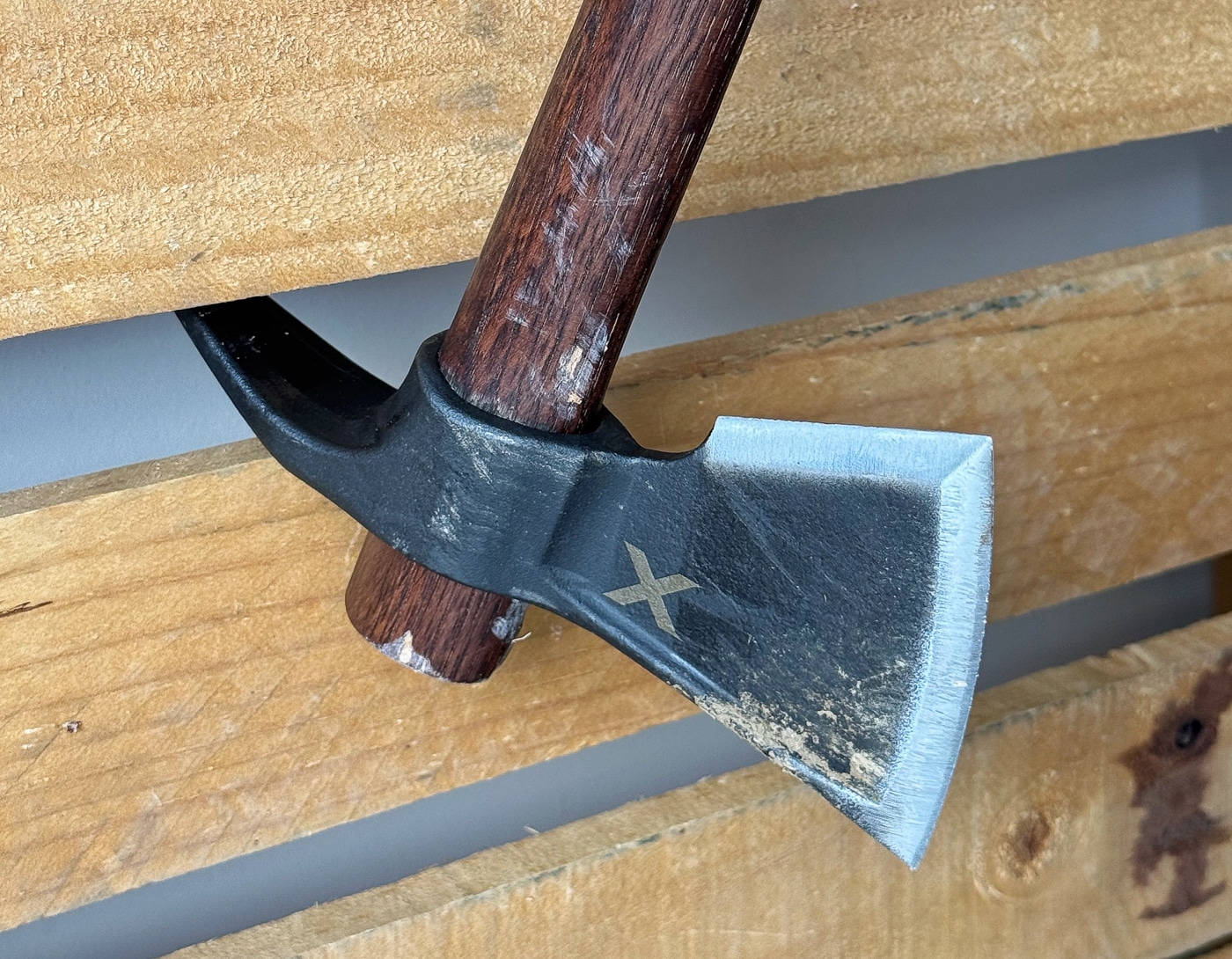
While I wouldn’t recommend an axe replace your primary defensive tool, a.k.a. your firearm, it could function as a last-line defensive tool.
Axes Outperform
A lot of modern survival gear focuses heavily on novelty. There are endless “multi-tools” and overly tactical gadgets marketed towards preppers, but many of them are designed more around appearance than actual field performance.

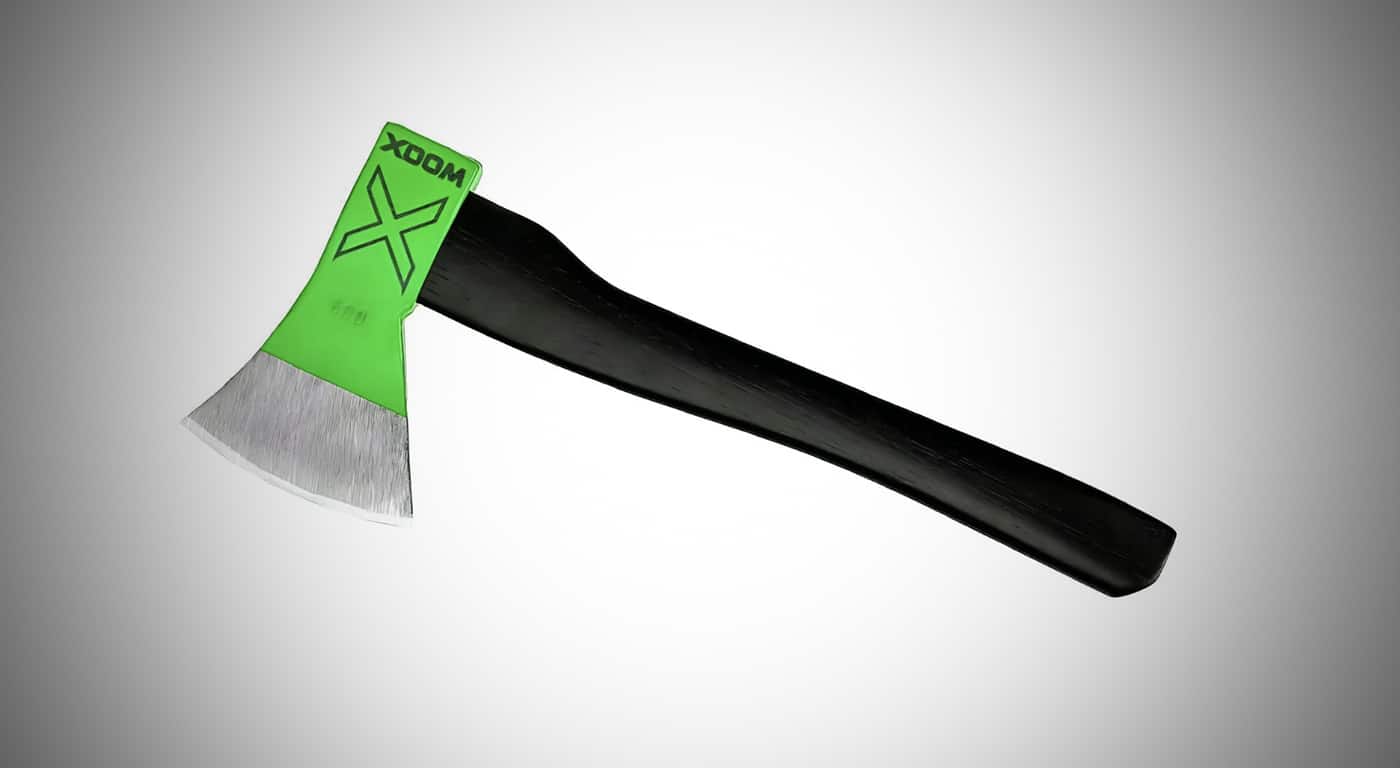
Axes have survived for thousands of years because they are fundamentally practical. Few pieces of gear offer that kind of versatility while remaining mechanically simple.
Axes also reward skill development. The more experience someone gains using an axe safely and efficiently, the more valuable it becomes. Learning how to split wood properly, shape branches, and maintain a sharp edge all contribute to real preparedness capabilities instead of simply collecting equipment.

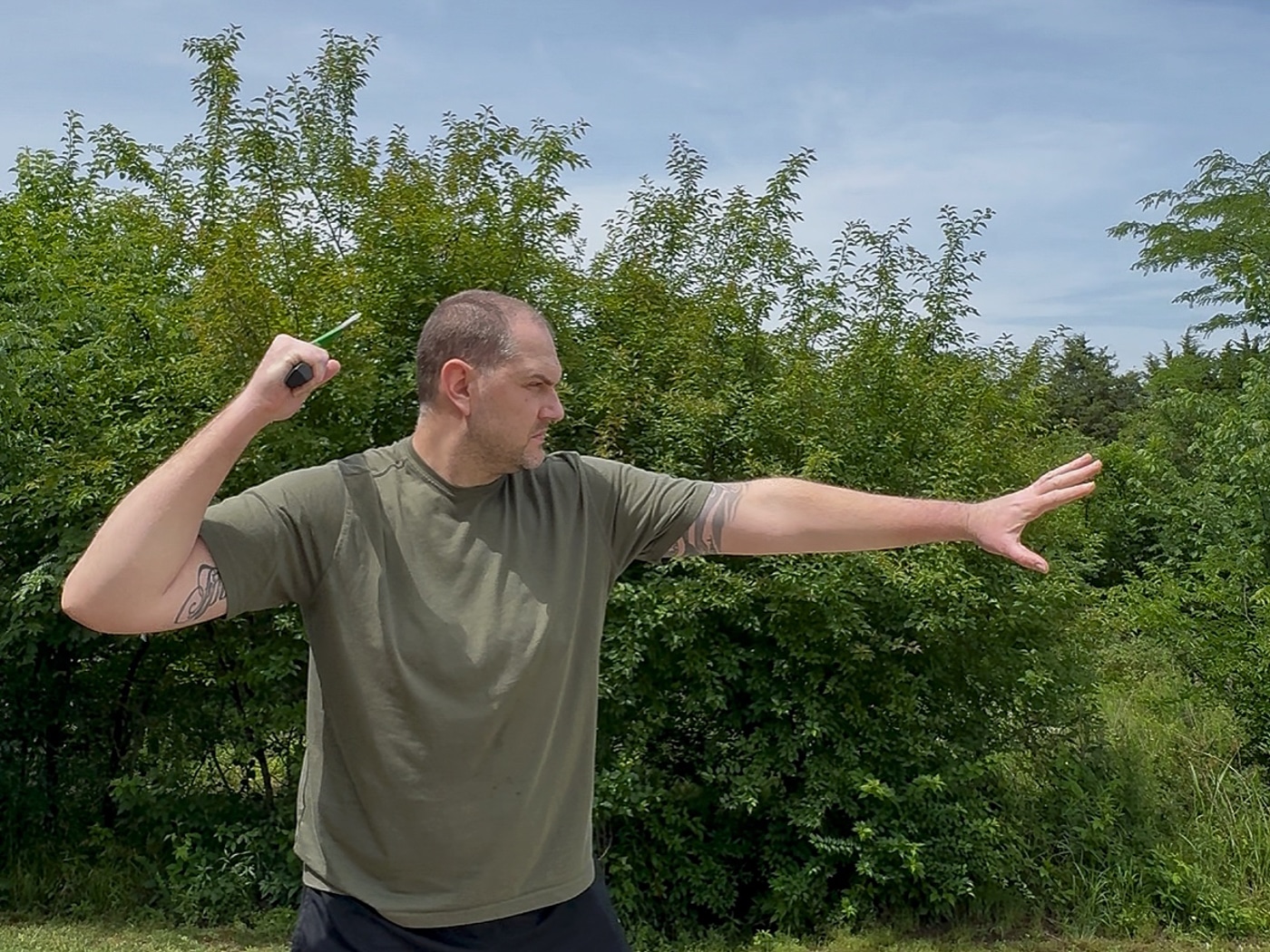
This distinction matters because preparedness is ultimately about competence as much as gear ownership. The same goes for your firearms; simply having one is not sufficient. You need to train with it.
Final Thoughts
Preparedness is about increasing your ability to adapt when normal systems fail. While food, water, and medical supplies remain essential, tools that help you be self-sufficient deserve just as much attention. A quality axe or hatchet gives you the ability to handle countless tasks without relying on fuel or electricity.
That combination of reliability, simplicity, and versatility is exactly why axes continue to play such an important role in SHTF and survival preparedness. My guess? They will for centuries to come as well.
Editor’s Note: Please be sure to check out The Armory Life Forum, where you can comment about our daily articles, as well as just talk guns and gear. Click the “Go To Forum Thread” link below to jump in!
Join the Discussion
Featured in this article

Read the full article here

