




Though it’s certainly possible for the items in our lives to suddenly and catastrophically give up the ghost, we often benefit from a number of clues that indicate something might go wrong. Live long enough, and you’ll probably have to deal with a phone charger that needs to be at just the right angle to supply power, a refrigerator that suddenly starts making a loud hum, or a box fan that needs a good smack to get it going.
In the same manner, it’s certainly possible for a firearm to suddenly encounter a failure state that renders it inoperable and requiring a gunsmith’s assistance. Far more often, however, your gun will give you some very strong clues that it needs attention. As such, keeping your firearm ready for serious defensive or competition use can be as simple as listening carefully to what it’s trying to tell you.
“A Little Dirty”
I can appreciate the men and women who have the discipline or interest to clean every gun after every range trip. However, it’s an open secret that most firearms don’t have to be cleaned each and every time they’re shot. A quality handgun should operate problem-free for a few hundred rounds after a cleaning, assuming proper lubrication.
Still, there’s a point at which you can absolutely push things too far, and your gun will begin to let you know it’s not happy with the deferred maintenance. On any semi-automatic firearm, you may notice bolts or slides returning to battery sluggishly, or you may find a distinctive “hitch” in the action. This may feel like the breech face noticeably slowing once it contacts a cartridge, then pushing the round into battery in what might seem like two distinctive steps rather than as a single fluid stroke.

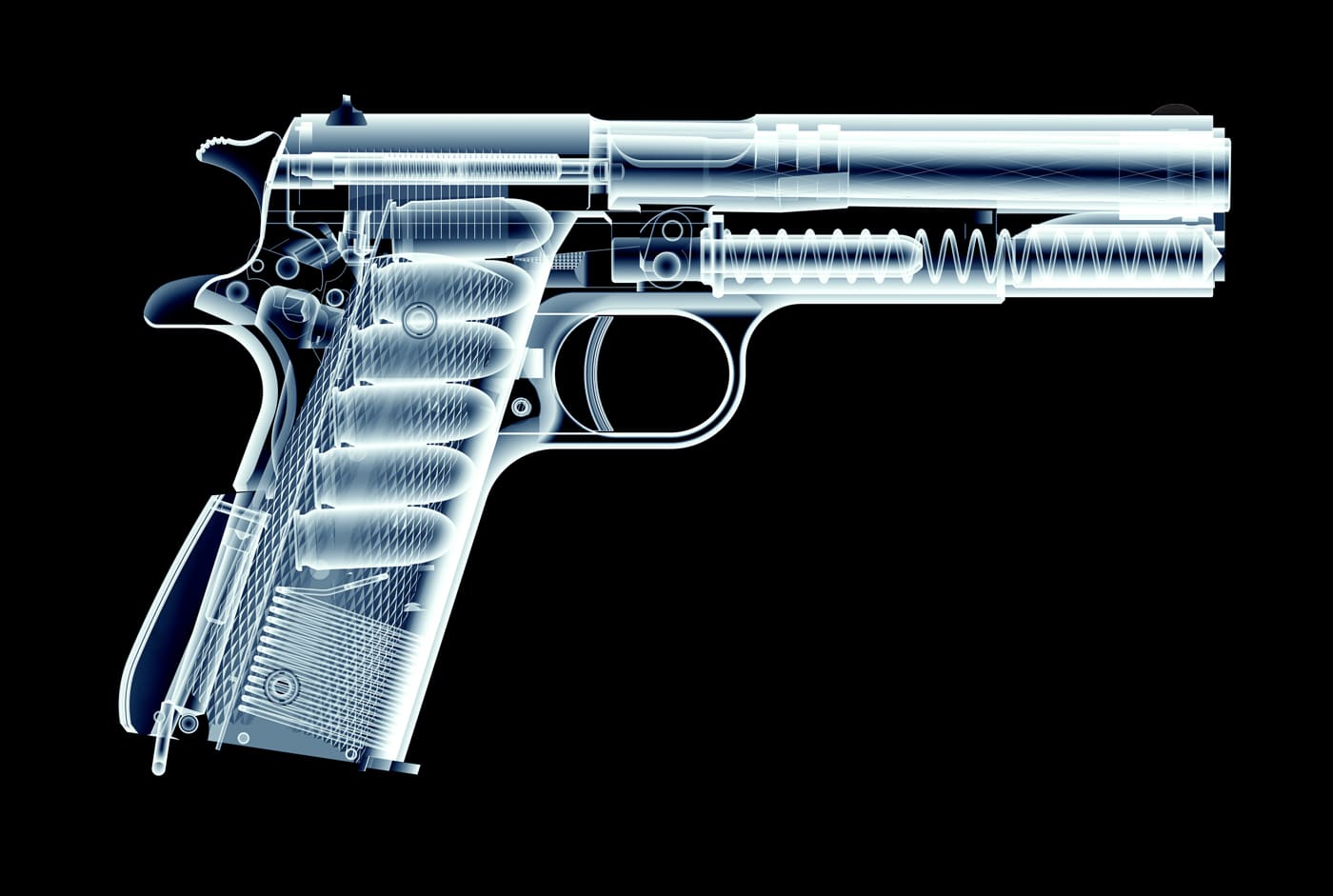
What’s usually happening is that carbon fouling is building up in various crevices, introducing friction that inhibits the smooth motion of the firearm’s components. Though a gun might have had ample lubrication at one point to allow the points of metal contact to glide past one another, that grease or oil will be covered under a progressively denser layer of fouling as shooting continues. An oil-and-soot-based slurry works a lot worse than oil alone.
Even when it seems like frame and slide are moving past one another fairly smoothly, you might also feel the effects of grime more subtly. If trigger components or bolts are feeling gritty (and especially if you can hear grit dragging in the internals), a deep cleaning is probably in order.

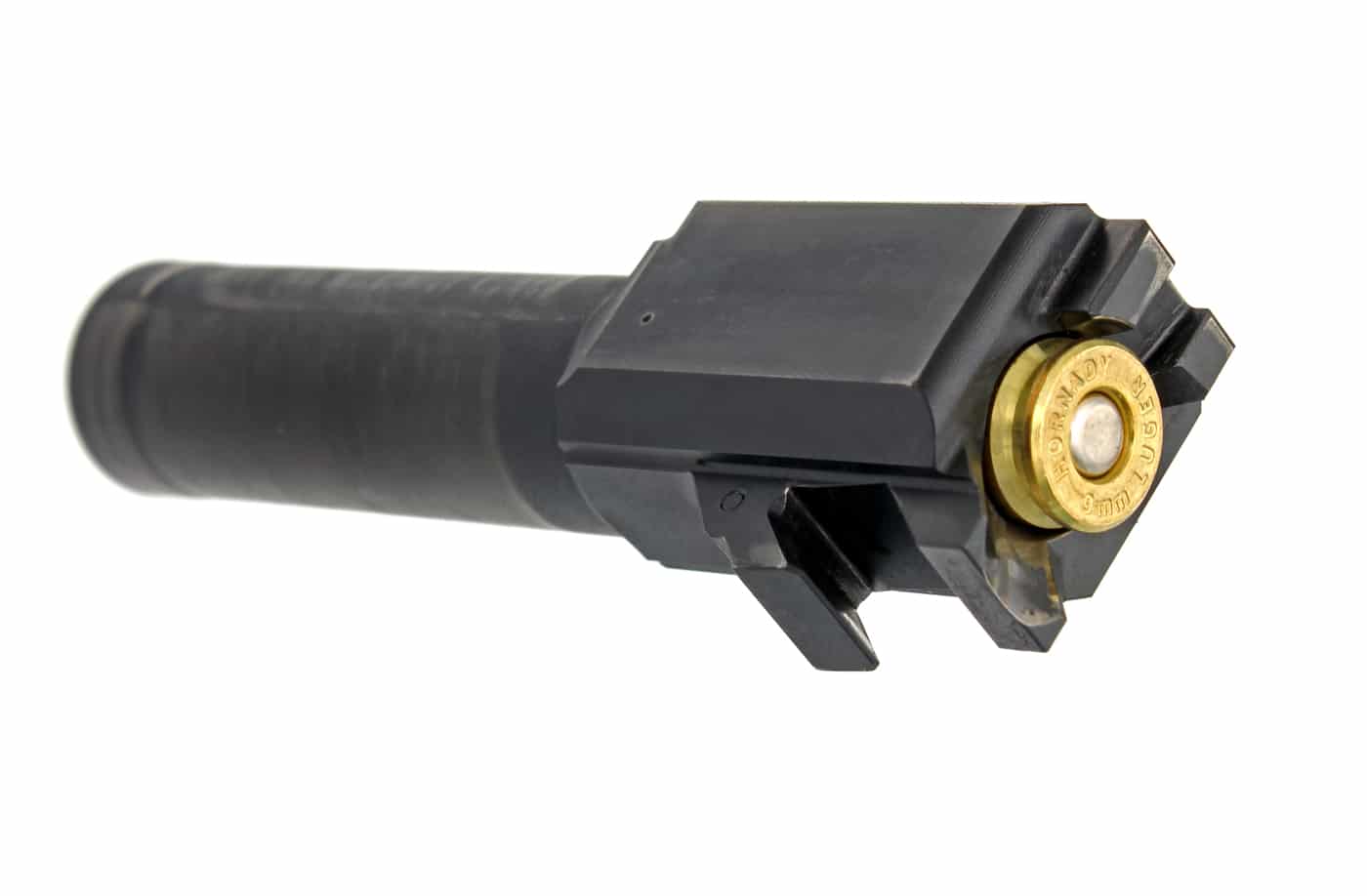
The goal, of course, is to ensure that the loading cycle is easy and your controls perform their essential functions. If you feel any gunk-based resistance along the way, it will only get worse, making malfunctions progressively more common until addressed.
Weak Springs, Weak Functioning
In the same way that crud can affect the optimal interactions of a firearm’s components, so too can the springs themselves. You’ll usually be able to feel when something’s amiss.
Starting with the recoil spring of a semi-auto, I invite the reader to consider the complexity of its job. It needs to permit the bolt or slide to fully complete its rearward travel, but also needs to cushion that reciprocating mass so that the frame isn’t subjected to excessive impact stress. Then, the spring needs to return the slide or bolt home with enough force to strip off the top round of a magazine and chamber it positively. The right spring is not too weak and not too stiff in either direction.

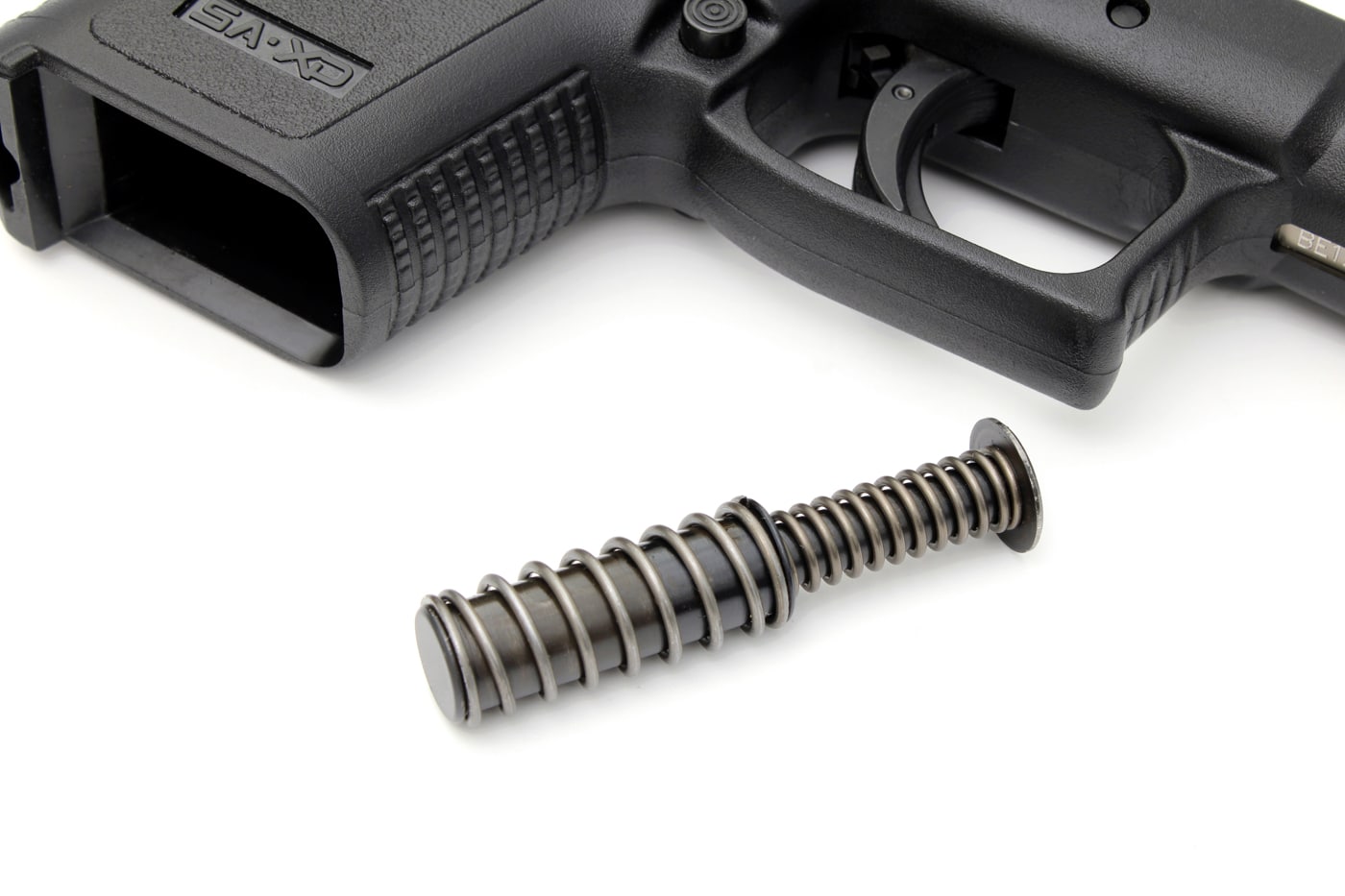
As the recoil spring fatigues, you may notice similar feeding issues to what we discussed previously, especially if the gun feels sluggish going into battery. But, one additional telltale sign of a too-weak spring is that brass will be launched violently: since the slide is moving back at a higher velocity than it should, spent casings are going to bounce off the ejector with extra force. You may also feel like the gun is kicking harder than it used to.
This is usually a critical thing to address, since it means that metal parts are going to batter one another with more force than they were designed to handle. Subjected to the extra stress, and over time, it’s not uncommon for a neglected gun to see peening at the frame rails, cracks around locking blocks and barrel lugs, or deformation around slide or bolt stops.


Live The Armory Life. The latest content straight to your inbox plus an automatic entry to each of our monthly gun giveaways!
Again, usually you’ll see signs of trouble before things catastrophically fail. Square parts will progressively begin to round over. Reliability problems will creep in insidiously as the original geometry of the gun changes. There may be weird points of friction or resistance where there didn’t used to be. (Note also that any hairline cracks detected should immediately take the gun out of any sort of use until inspected by a capable gunsmith.)
To limit the possibility of these kinds of failures and deformities, I think it’s wise to replace the spring at regular intervals; for most pistols, I believe a conservative estimate is usually about the 3,000 to 5,000 round range. When in doubt, you can always reach out to the manufacturer of any particular firearm and see what they suggest. Keep in mind that 3,000 rounds is about 60 boxes of pistol ammo and 150 boxes of rifle ammo; if you figure you’re around that count for any pieces of your gear, it might be prudent to spend the twenty bucks or so required to swap out the part.
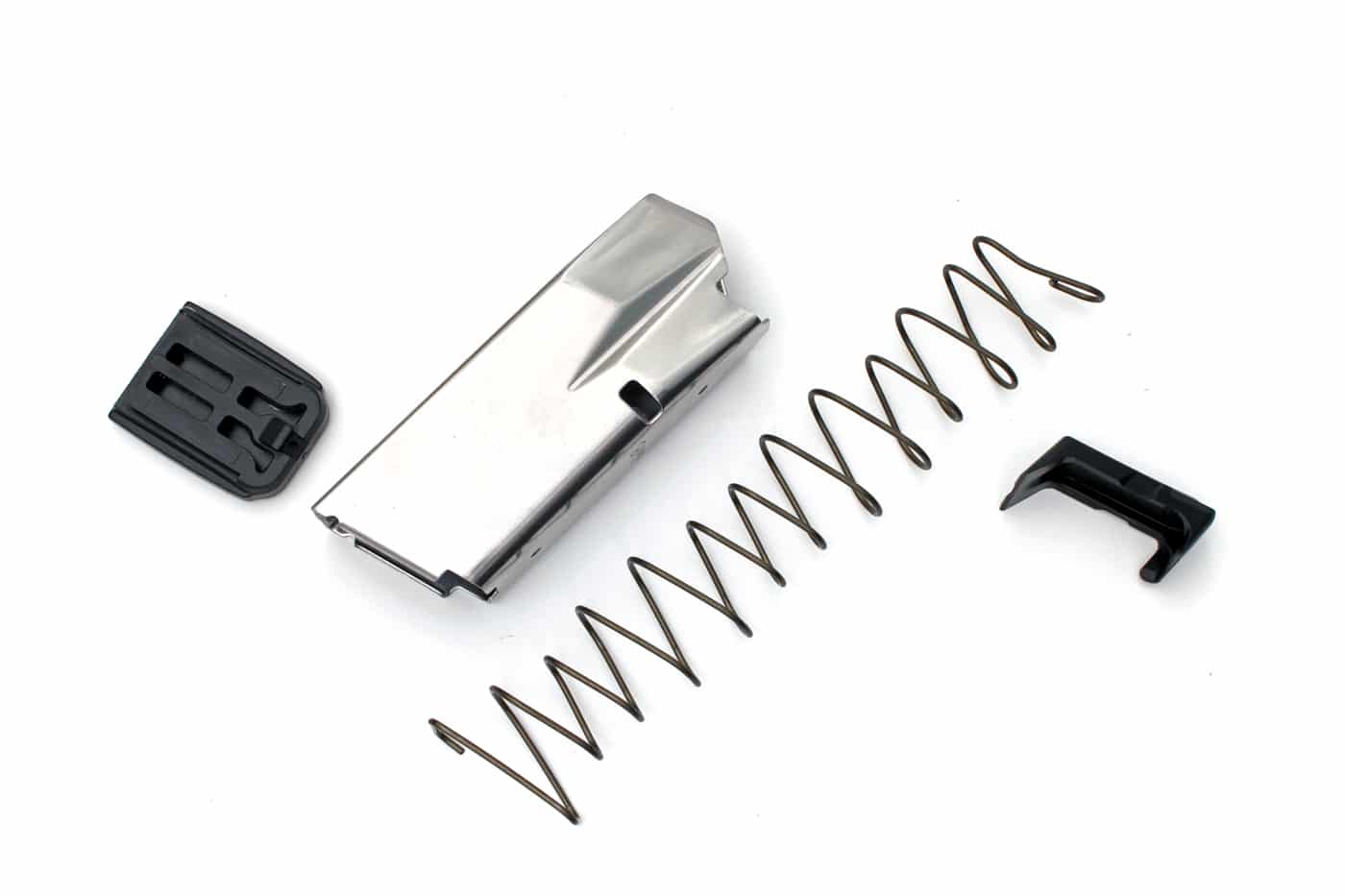
The other spring that will need attention is inside of the magazine. While less insidious to a firearm’s wear, you’ll notice spring fatigue first through a slide stop that increasingly fails to engage after the last round. Mostly, this is an annoyance, but in a defensive context it would be pretty handy to know if your firearm is out of ammo! Over time, there is also a risk that the additional force of the slide or bolt slamming home without a round to cushion it can provide extra wear and deformity to any parts associated with lock-up.
Extraction and Ejection Issues
Here’s another area where a shooter can usually see warning signs before the gun begins to present major problems. In tandem, the extractor and ejector work to get fired cases out of your firearm. Usually, the extractor is the culprit, since it depends on both geometry and spring tension to do its job (whereas the ejector is so often just a piece of metal for the brass to ram into under recoil).

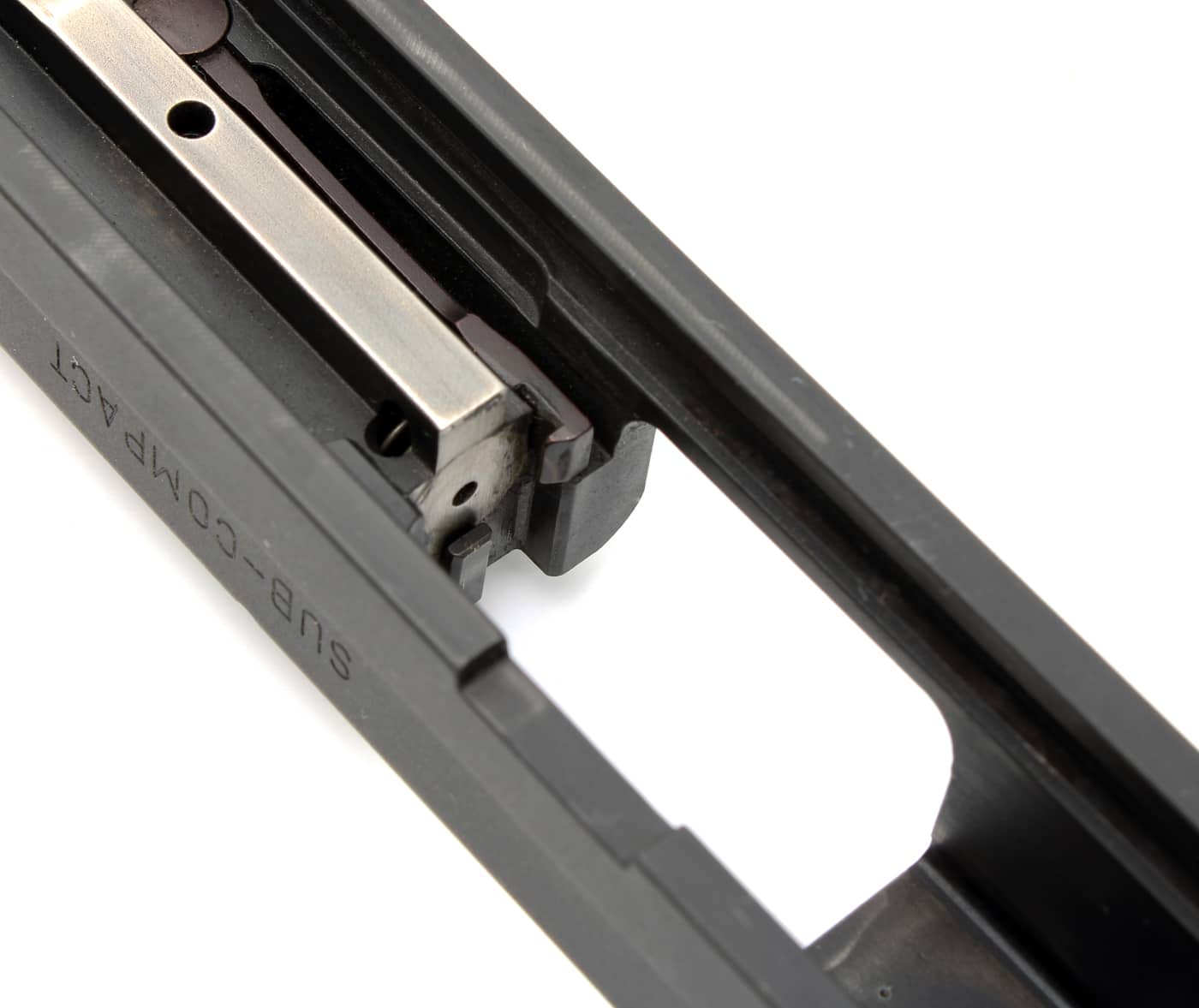
When something is amiss, you may first notice inconsistent ejection patterns and angles. If brass cases are dribbling out of the gun or coming straight back at the shooter, it often indicates that the extractor claw isn’t maintaining consistent and strong tension on the rim of the cartridge. It may only be a matter of time before the problem progresses into stovepipe malfunctions or double-feeds. These stoppages are annoyances at the range, but could be deadly serious if you need your firearm in that moment to defend yourself or your loved ones.
The easiest fix is usually to brush out any gunk. Carbon fouling can stick onto and under the extractor claw and accumulate in the recesses of the breech face. There, the detritus changes the way that cartridges are held in place. Fouling in the chamber itself can also make it harder for the extractor to maintain grip and clear fired brass. Note, however, that if your gun has to be run totally clean for it to work at all, something more serious could be at play.

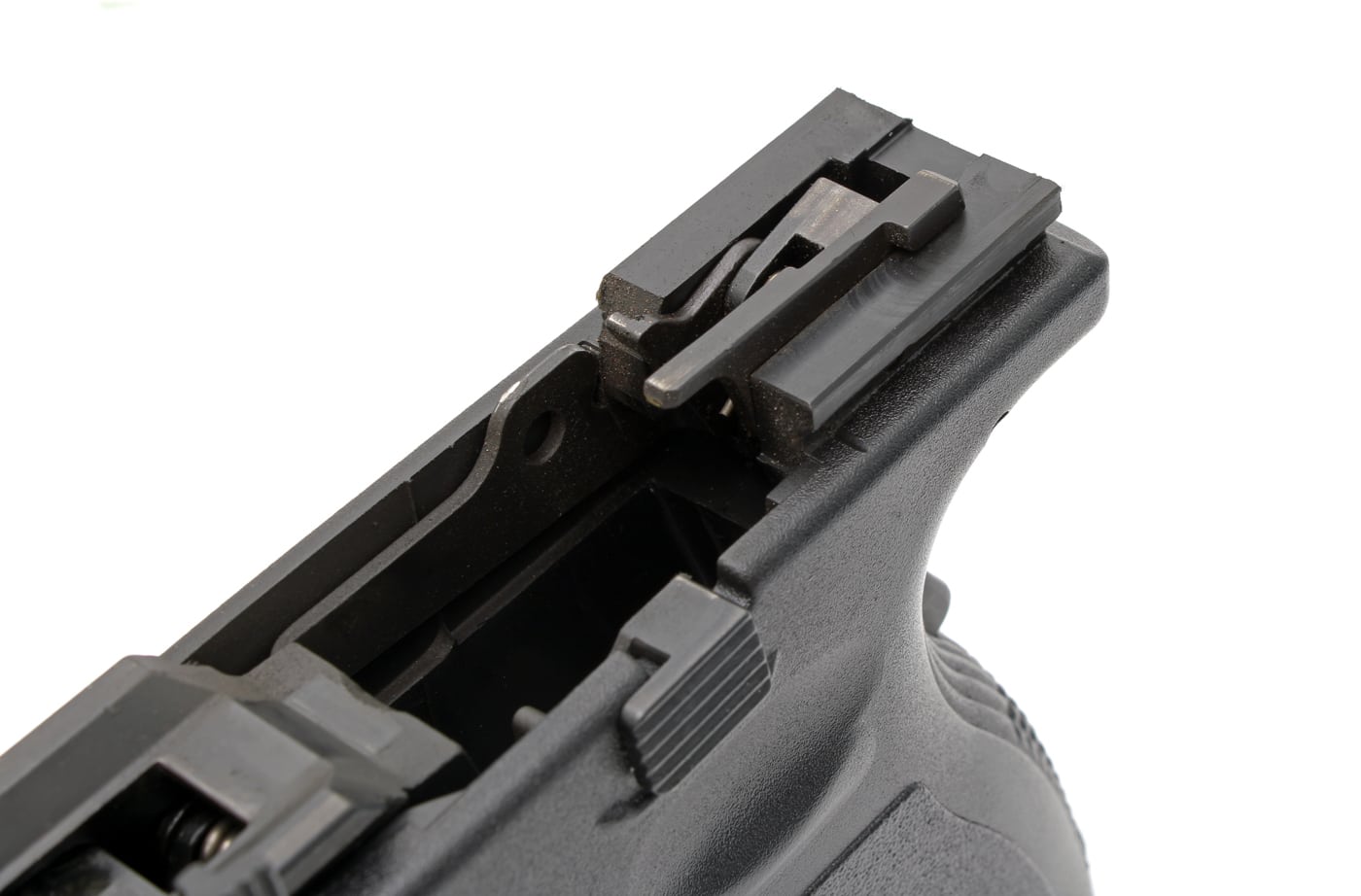
While you have the gun apart, it’s prudent to look for geometry changes to the extractor and ejector. Do these parts look like they should, or are there any chips, cracks, or rounded-over edges? If everything looks fine, it could be a sign that the extractor spring is weakening and needs replacement.
The Take-Away
When it comes to the design and manufacture of firearms, we really are living in the golden age. Thirty years ago, it would have been nearly unheard of for a budget-priced firearm to digest thousands of rounds without a hiccup of some kind. The product mix of Springfield Armory, especially, is a testament to how good today’s consumer has it. I’ve never encountered a gun of theirs that wasn’t totally reliable right out of the box.
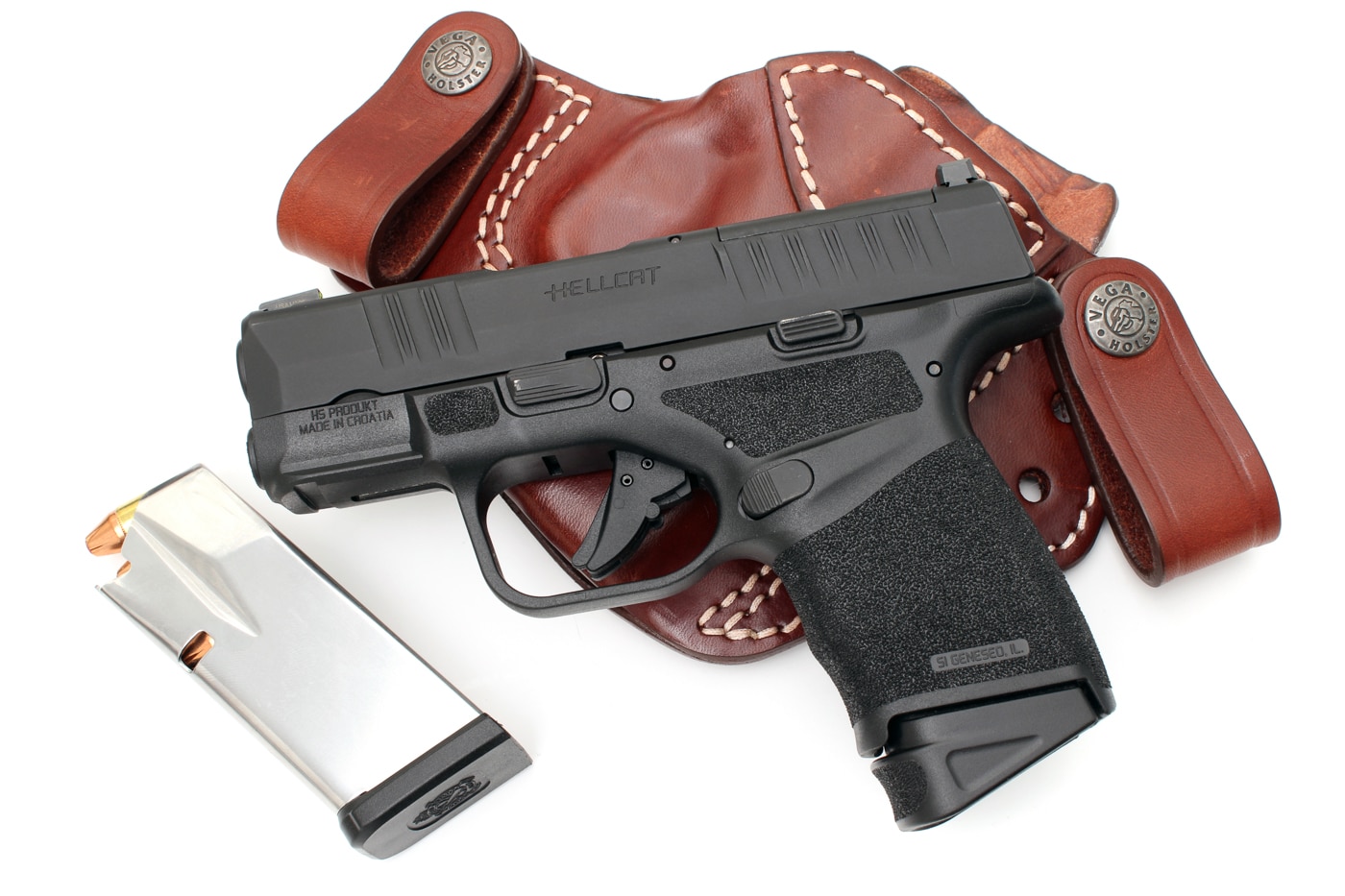
Still, even the best made firearms are machines, and we live in an imperfect world. No manufacturer on the planet earth can give its customers an ironclad guarantee that any object it makes will work perfectly in perpetuity with zero maintenance. There are times that, through no fault of the user, a gun will go down. Shoot long enough and you’ll see it happen.
By the same token, I can say this with total honesty: if you want to keep malfunctions to an absolute minimum, trust your eyes and your hands. In the overwhelming majority of cases, a savvy user will be able to detect minor issues with his or her firearm before they turn into serious ones—including the kinds that induce failures.
Armed with the diagnostic indicators above, I believe you’ll stand head and shoulders above most gun owners when it comes to keeping your firearm running and ready for serious use.
Editor’s note: Please be sure to check out The Armory Life Forum, where you can comment about our daily articles, as well as just talk guns and gear. Click the “Go To Forum Thread” link below to jump in and discuss this article and much more!
Join the Discussion
Read the full article here

