


Military aircraft design of the Cold War era could be described as akin to physics, or, more specifically, to Newton’s Third Law of motion, which states, “For every action, there is an equal and opposite reaction.” From lessons learned in the Vietnam War, the United States Air Force determined it needed both “superior” air superiority fighters and cheaper, agile multi-role fighters. That led to the development of the McDonnell Douglas F-15 Eagle, designed to dominate air-to-air combat, and the General Dynamics F-16 Fighting Falcon, which filled the gap as a more versatile, cost-effective fighter.
The programs were successful, as both the Eagle and the Fighting Falcon have been continually upgraded and remain in service for more than five decades. The latest version of the F-15, produced by Boeing (which merged with McDonnell Douglas), is the F-15EX Eagle II, and Lockheed Martin (which acquired General Dynamics’ aviation business) is now producing the Block 70/71 models of the Fighting Falcon for export.

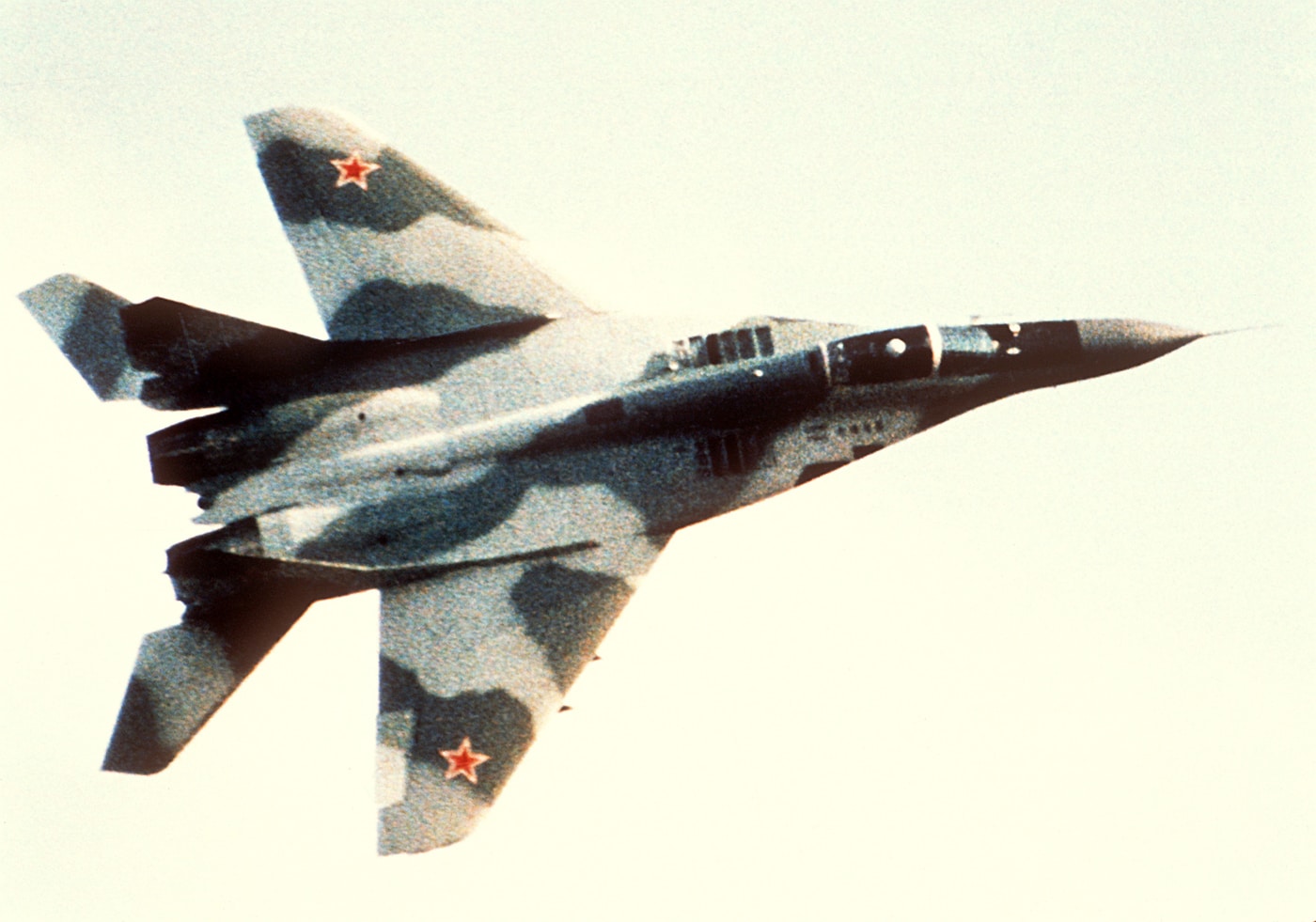
The Soviets also “reacted” to the U.S. Air Force’s action by introducing the Mikoyan MiG-29 (NATO reporting name “Fulcrum”) in the late 1970s. Although production was scaled back after the end of the Cold War, as the Kremlin shifted to the more advanced Sukhoi Su-27 (NATO reporting name “Flanker”), Russia continues to produce the multi-role MiG-29M/M2 and the carrier-based MiG-29K.
Lightweight Counterpart to the Sukhoi Su-27
One interesting fact about the MiG-29 is that, although it entered service with the Soviet Air Force as a lightweight counterpart to the Su-27, the MiG-29 traces its roots to a design for a heavy fighter in the late 1960s and early 1970s.

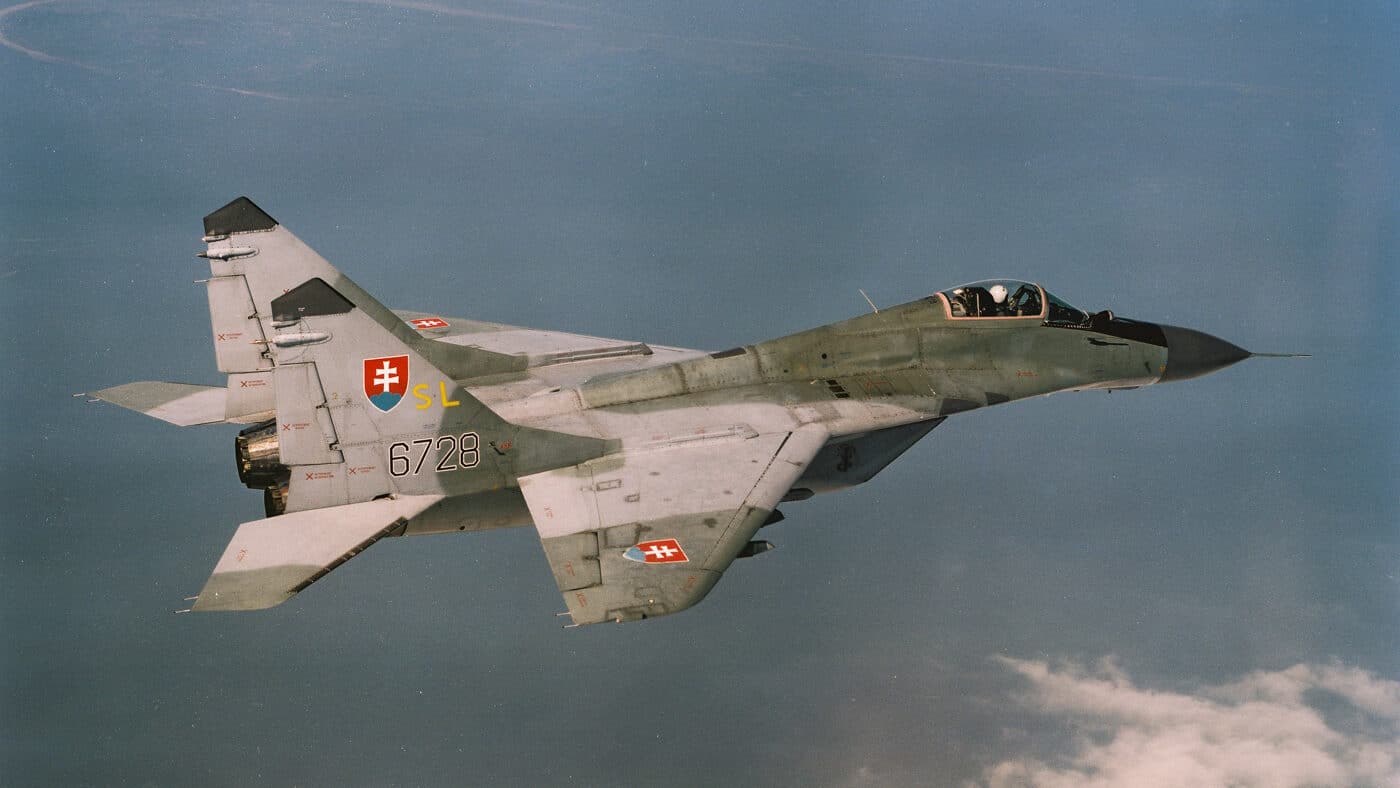
Then, as development of the Su-27 progressed, the program for a second heavy fighter was scaled back to meet the requirement for a “frontal” or tactical fighter that would primarily serve in a short-range air defense or interceptor role, with a secondary capability as a ground-attack aircraft. Detailed design work was initiated at the Mikoyan-Gurevich Design Bureau (MiG OKB) in 1974 to keep pace with Western fighter development, and the prototype made its maiden flight on October 6, 1977.

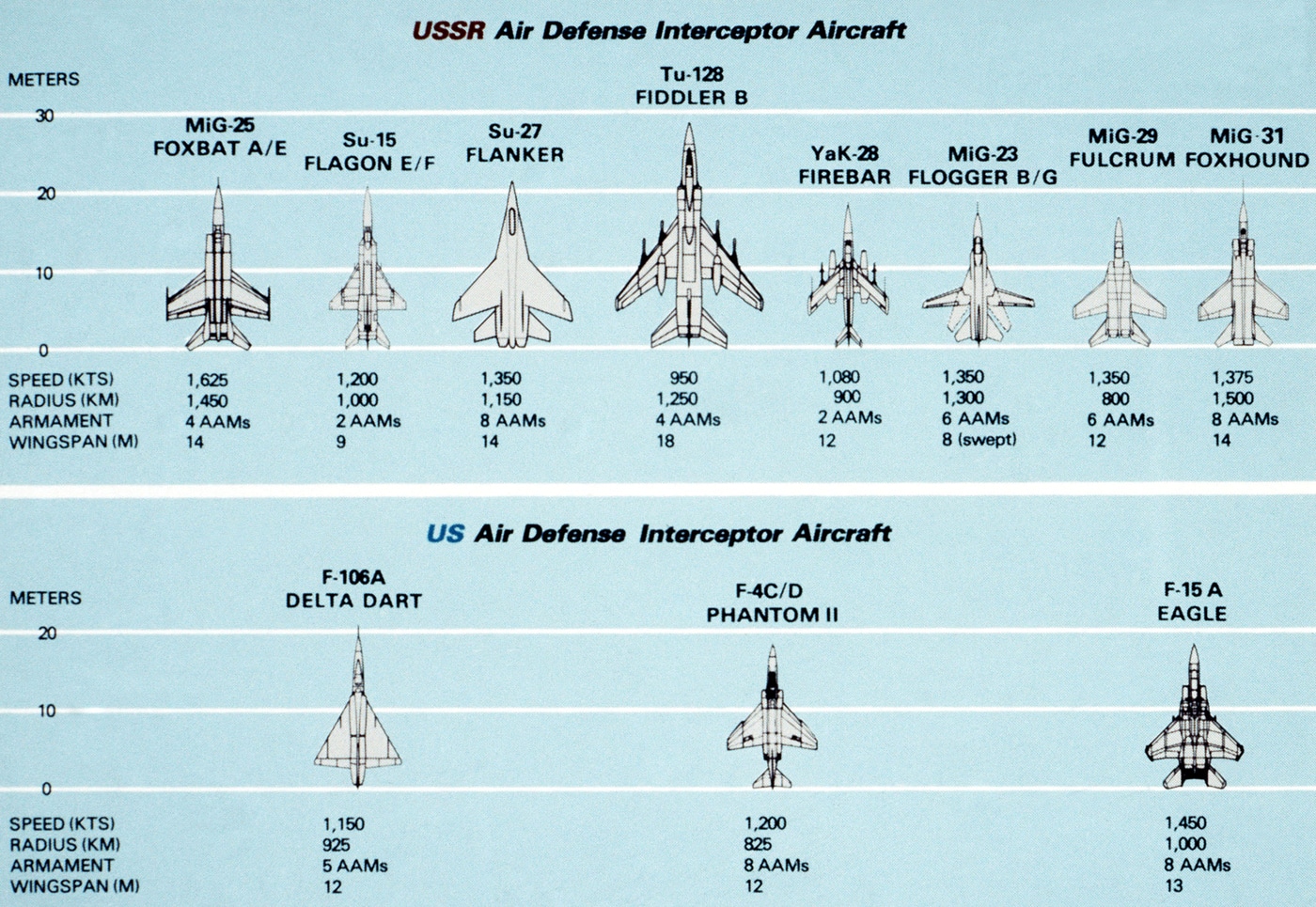
It was spotted by U.S. reconnaissance satellites just over a month later, and it was soon given the NATO designation (reporting name) “Fulcrum.”
Production of the MiG-29 began in 1982, and the first aircraft were delivered to frontal aviation units in 1983. It was introduced seven years after the F-15A, which entered service in 1976, and four years after the F-16A. There is no denying that the MiG-29 was a reaction to those aircraft, but it may not have entirely been equal to the U.S. Air Force’s warbirds.
“Although newer, the MiG-29 still lagged behind the most modern Western fighters in several important areas,” the National Museum of the United States Air Force explained on its website. The famed museum, which has a Cold War-era MiG-29 in its collection, noted that the Soviet designers “Had little experience in either fly-by-wire controls or lightweight composite materials for airframe construction.”
Moreover, the first MiG-29 models used a conventional hydraulic flight-control system and an aluminum-alloy fuselage. The choice of materials reduced production weight and complexity, but it was hardly a cutting-edge aircraft for the 1980s, at least compared with what the West was producing.

“Over time, MiG designers addressed these deficiencies, and later variants of the MiG-29 incorporated some fly-by-wire controls and composite materials,” the National Museum of the U.S. Air Force added.
Key Attributes of the Fulcrum
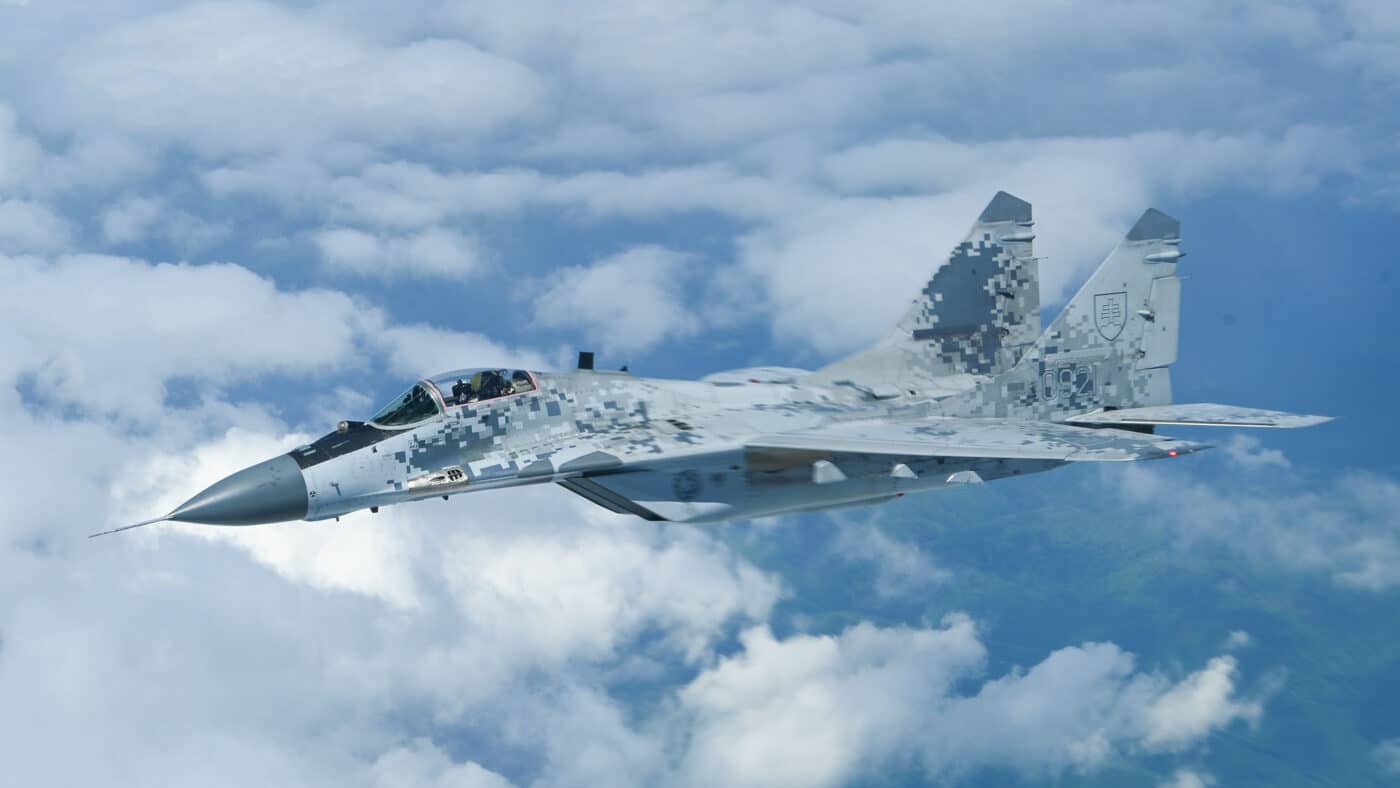
Although the MiG-29 wasn’t as advanced as American aircraft in terms of materials or fly-by-wire controls, it was still noteworthy for other reasons. It was outfitted with a large cockpit covered by a “blown” canopy, which provided the pilot with an excellent all-around field of view, better than that of other Soviet fighters of the era. The windscreen was frameless, providing an unobstructed forward view, further enhanced by the drooped nose.

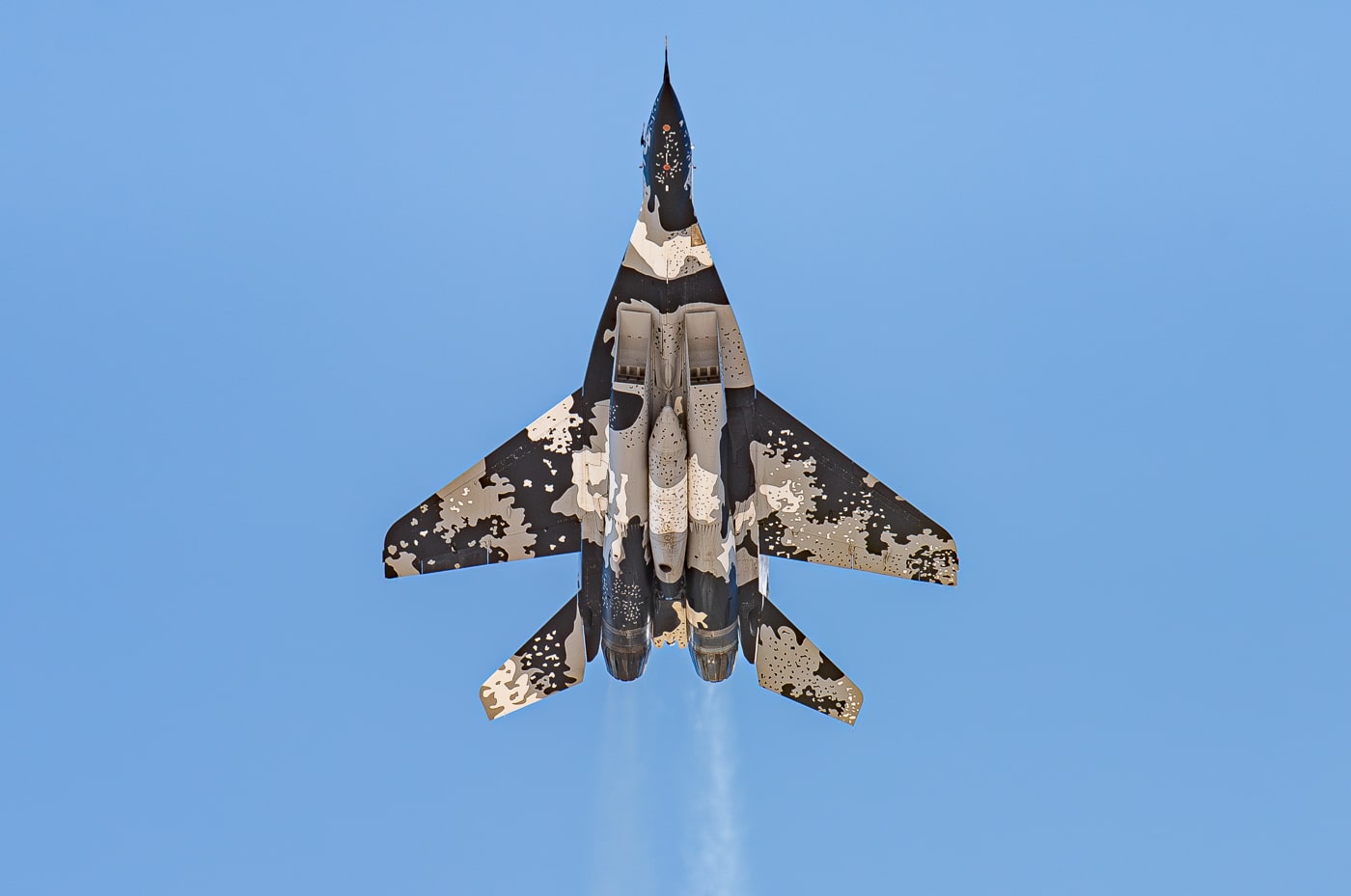
The MiG-29 was developed with a high-lift, low-drag design ethos. The aircraft employed a widely flared wing leading-edge root extension, and its intakes for the widely spaced engines were also optimized for high-angle-of-attack capability. The leading edge of the wing was fitted with full-span, computer-controlled maneuvering flaps. The trailing edge was outfitted with plain flaps inboard and ailerons outboard. The twin canted tailfins were combined with all-moving horizontal tail surfaces. The early models, which lacked fly-by-wire capabilities, relied on conventional hydraulically operated flight controls.

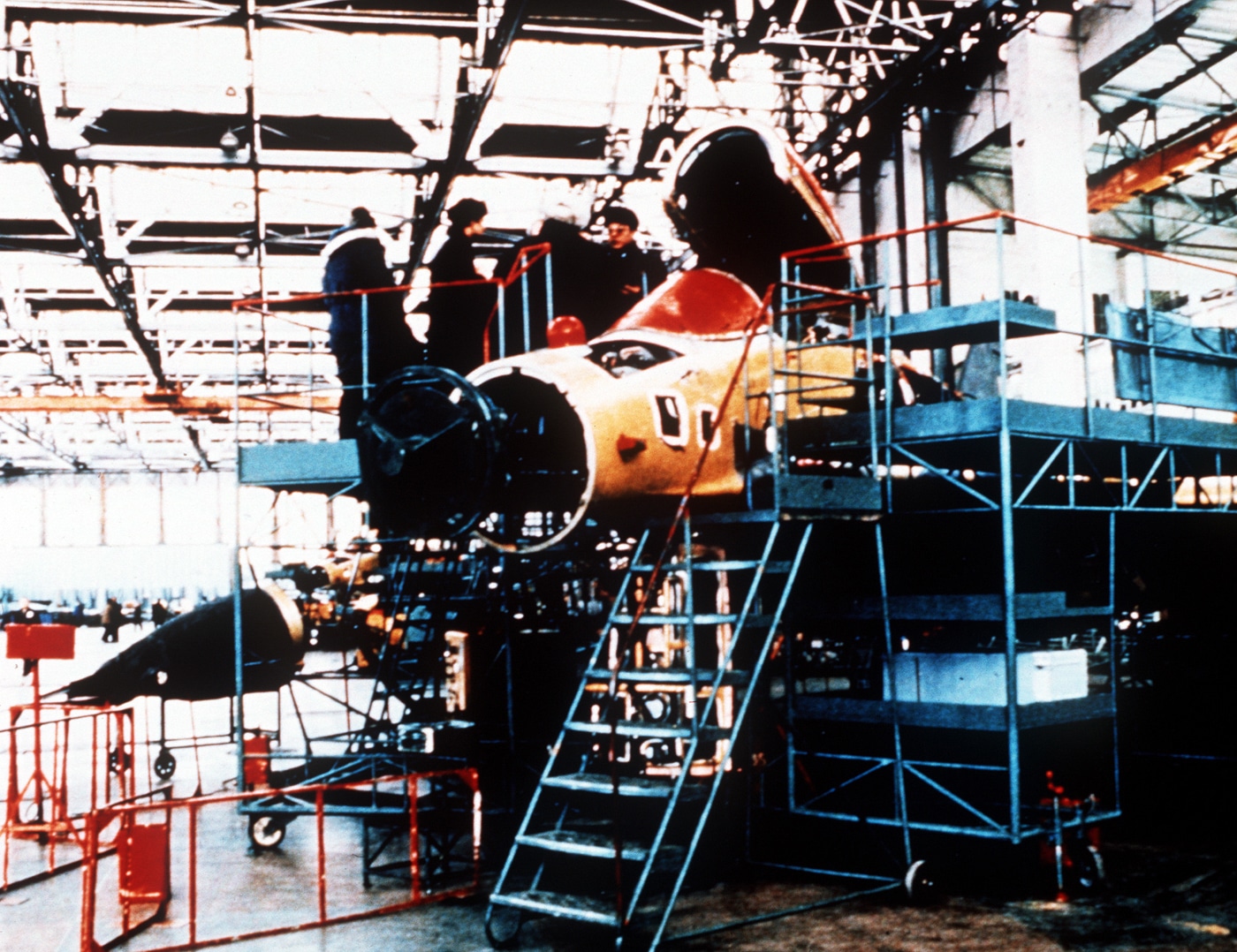
The powerplant in its base form consisted of a pair of RD-33 turbofans, offering increased thrust in afterburner compared with Western engines. Combined with the enormous wings, the MiG-29 produced high lift and low wing loading, which resulted in superb maneuverability.


Live The Armory Life. The latest content straight to your inbox plus an automatic entry to each of our monthly gun giveaways!
The MiG-29 was equipped with the Phazotron NIIR N019 Doppler radar (NATO designation “Slot Back”), capable of detecting targets at ranges exceeding 60 miles. It was also outfitted with infrared tracking sensors and a laser rangefinder, which allowed the pilot to track and shoot at aircraft flying below.
The National Museum of the U.S. Air Force also emphasized the capabilities of the Shchel-3UM-1 helmet-mounted aiming device, which was first introduced with the Fulcrum.
“[It] turned the MiG-29 into a perilous threat once opponents came within visual range. No longer did a pilot have to turn his aircraft toward a target and wait for his missiles’ sensors to ‘lock-on’ before firing,” the museum explained. “Now, the pilot simply turned his head toward a target, and the helmet aimed the missile’s sensors toward the target. This ‘off boresight’ procedure gave the MiG-29 pilot a great advantage at close range.”
Fulcrum Specifications
The air defense fighter, as introduced, measured 17.32 meters (56 feet, 10 inches) in length and 11.36 meters (37 feet, 3.25 inches) in wingspan. It had a maximum takeoff weight of 18,500 kg (40,785 pounds).
Its two 81.39 kN (18,298 lb) Klimov RD-33 afterburning turbofan engines enabled the MiG-29 to reach a maximum speed of Mach 2.3 (2,445 km/h; 1,520 mph) at high altitude. The aircraft had a range of 1,500 km (932 miles) with standard fuel, and a ceiling of 19,800 meters (65,000 feet).
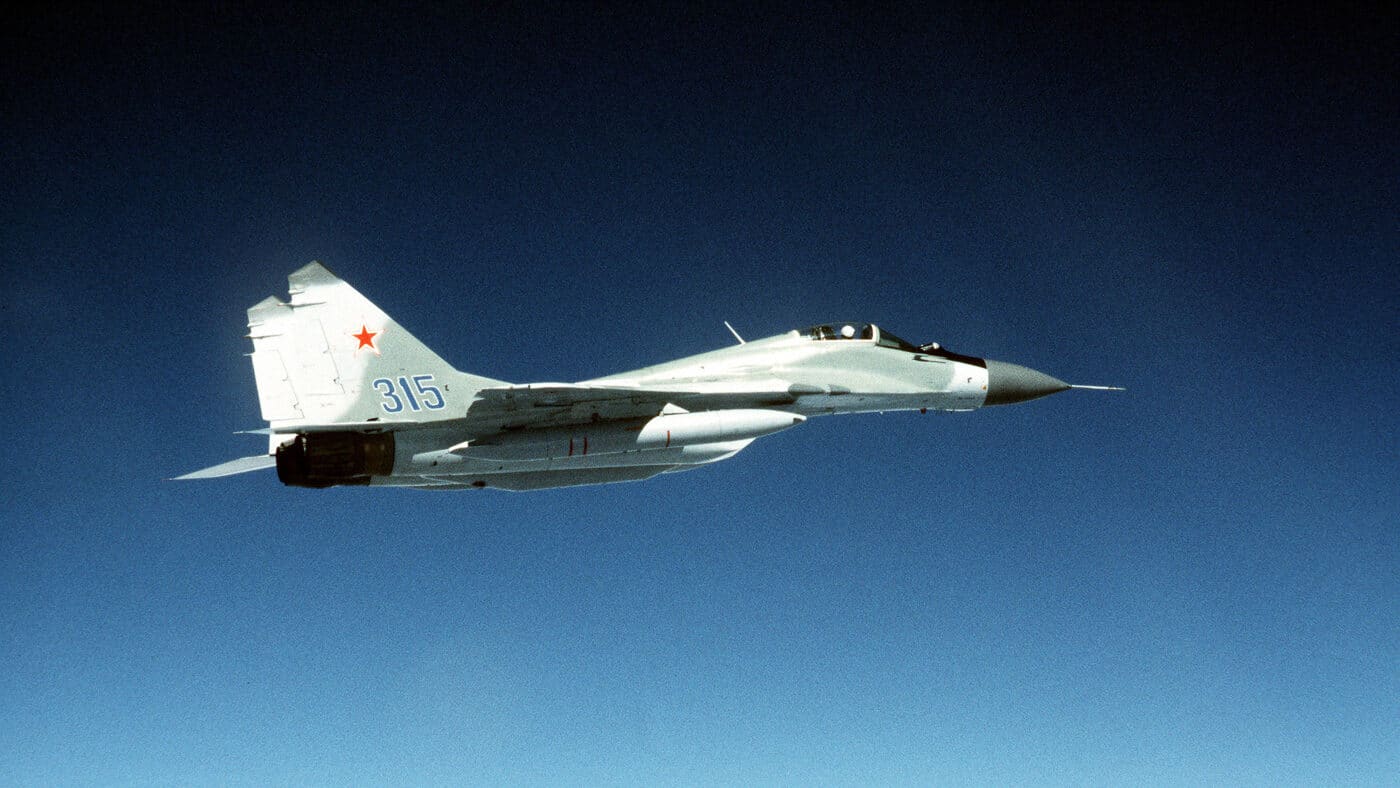
Armament consisted of one 30mm GSh-301 cannon; six air-to-air missiles (a mixture of medium-range, radar-guided AA-10 “Alamo-A;” or close-range, infrared-guided AA-11 “Archer;” and/or close-range, infrared-guided AA-8 “Aphid” missiles); while the MiG-29 could carry a variety of bombs and 57mm, 80mm, and 240mm rockets in its ground attack role.
The MiG-29 was among the most-produced jet fighters of the Cold War era, with more than 1,600 units produced. It was also among the most common fourth-generation fighters to see service with the Soviet Air Force and the Russian Aerospace Forces. It was also widely exported to dozens of countries, including India, Bangladesh, Poland, Bulgaria, Czechoslovakia, Algeria, Syria, Iran, Iraq, Peru, and Egypt.
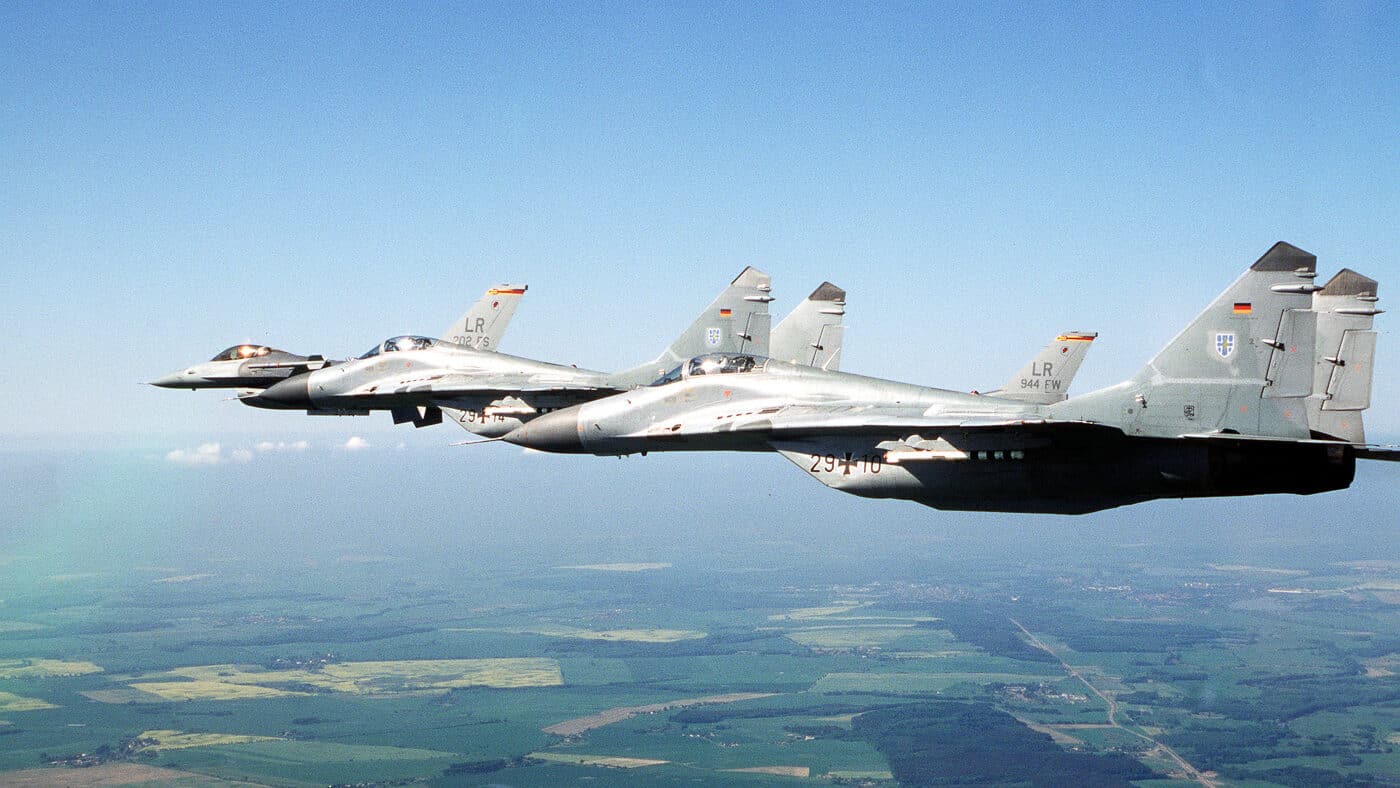
Following the dissolution of the Soviet Union at the end of 1991, many MiG-29s were “inherited” by the former Soviet republics, including Belarus, Uzbekistan, and Ukraine.
MiG-29 — Limited Combat Warbird
Although produced in significant numbers, unlike the aircraft it was designed to counter the MiG-29’s combat record is far from extensive. That could change in 2026, a point that will be addressed soon. However, whereas the F-15 Eagle has an impressive record of more than 100 aerial victories with no combat losses and the F-16 continues to be used as a frontline fighter around the world, the MiG-29’s wartime operations are, to say the least, limited.
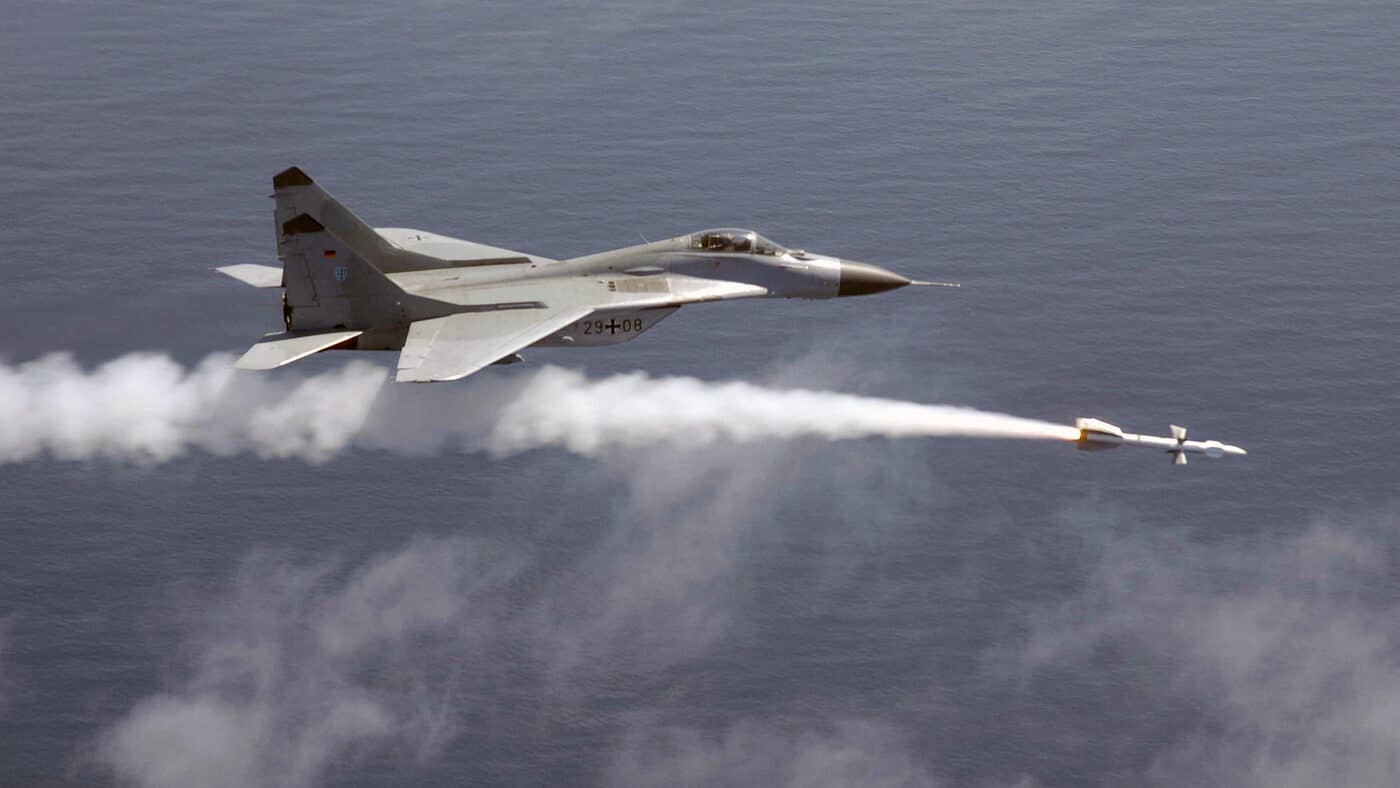
The first and only recorded combat use by the Soviet Air Force occurred during the Soviet-Afghan War, when MiG-29s were deployed from Turkmenistan (then part of the Soviet Union) near the Afghan border.
Iraqi MiG-29’s engaged U.S. and coalition aircraft with U.S. and coalition aircraft during the 1991 Gulf War, but the Iraqi pilots were vastly outmatched by superior Western tactics and aircraft. At least half a dozen MiG-29 fighters were shot down by coalition forces flying the F-15.

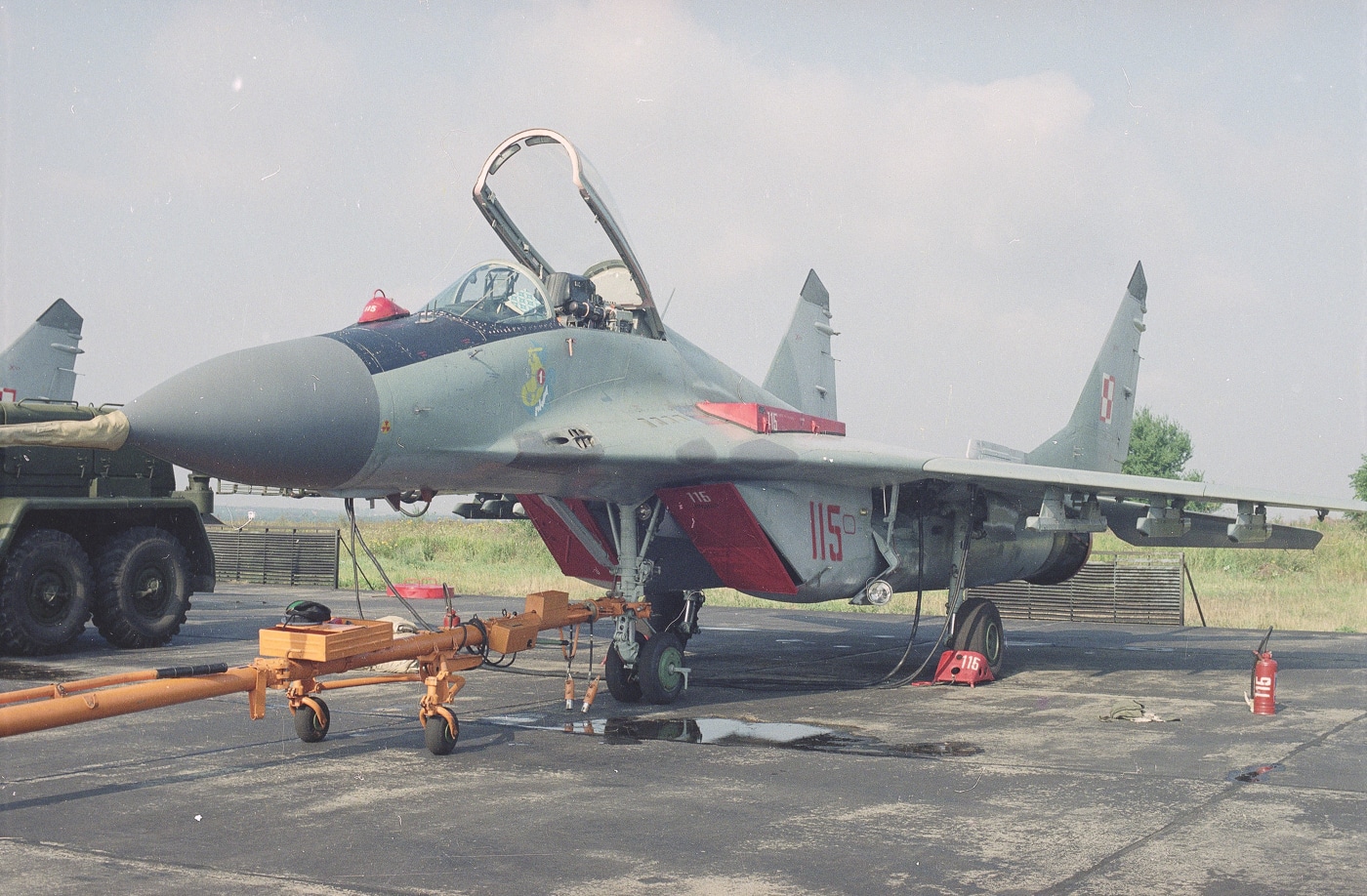
Less than a decade later, the MiG-29 unexpectedly faced the Su-27 during the Eritrea-Ethiopia War (1999-2000), with the Eritrean Air Force operating its newly acquired Fulcrums against Ethiopia’s Flankers. Military analysts have noted that the Su-27 fighters generally outperformed the MiG-29s, securing air superiority for Ethiopia. At least two MiG-29 planes were shot down, with another damaged, while no Ethiopian Su-27’s were lost in the fighting.


It was around the same time, during the brief Kargil War, a border dispute between India and Pakistan, that the Indian Air Force utilized its MiG-29s in support of ground operations, demonstrating its effectiveness in a ground attack role.
At least two Yugoslav Air Force MiG-29s were also shot down in the Balkans during NATO peacekeeping operations, but there have been claims that the Fulcrums also scored several victories. However, that has been disputed by Western sources.
Germany and Polish Mikoyan MiG-29 Fighters
Although the West had sought to gather information about the Soviet twin-engine light fighter aircraft throughout the 1980s, it wasn’t until the end of the Cold War that U.S. Air Force pilots had the opportunity to see the aircraft up close. For a brief period in the 1990s, the Luftwaffe operated approximately two dozen Soviet-made fighters that had flown with the former East German Air Force at the end of the Cold War.
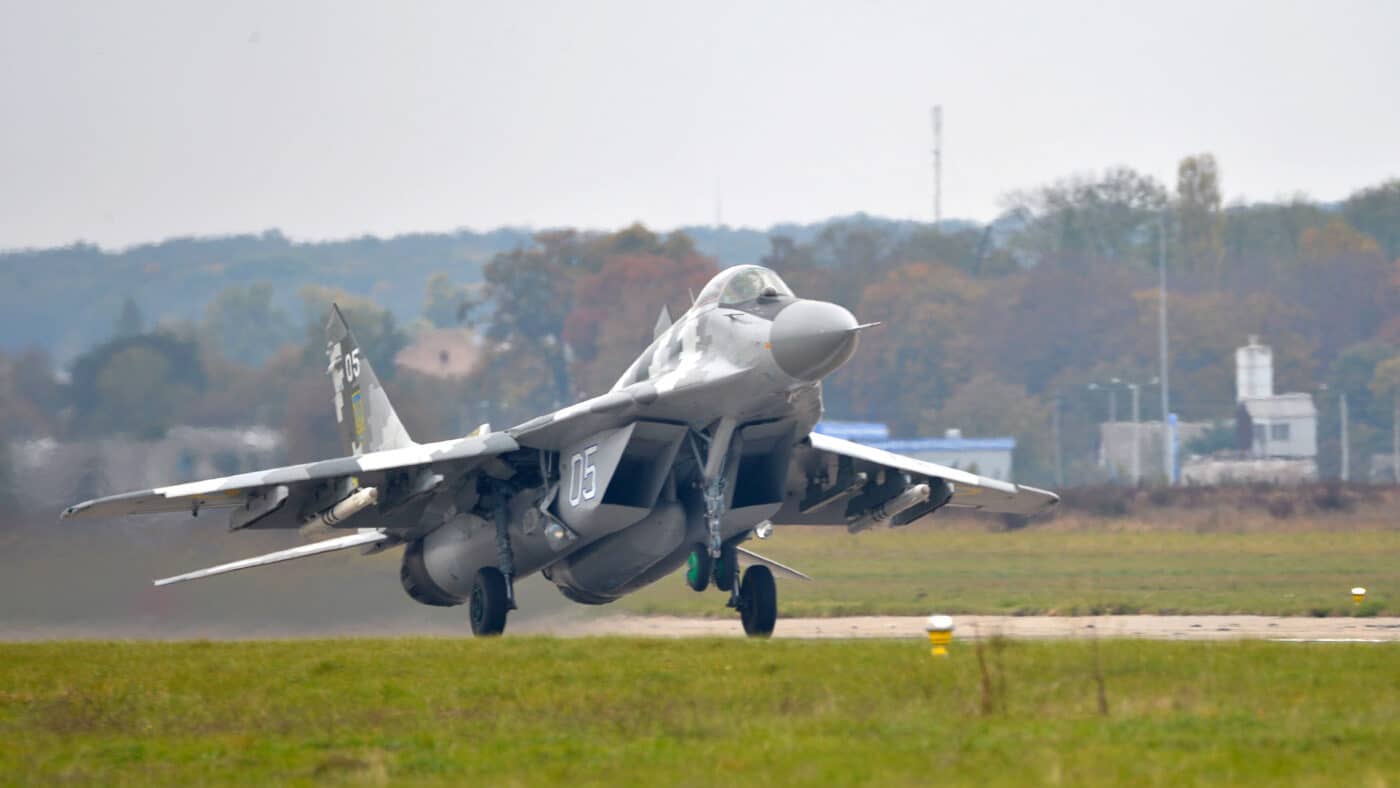
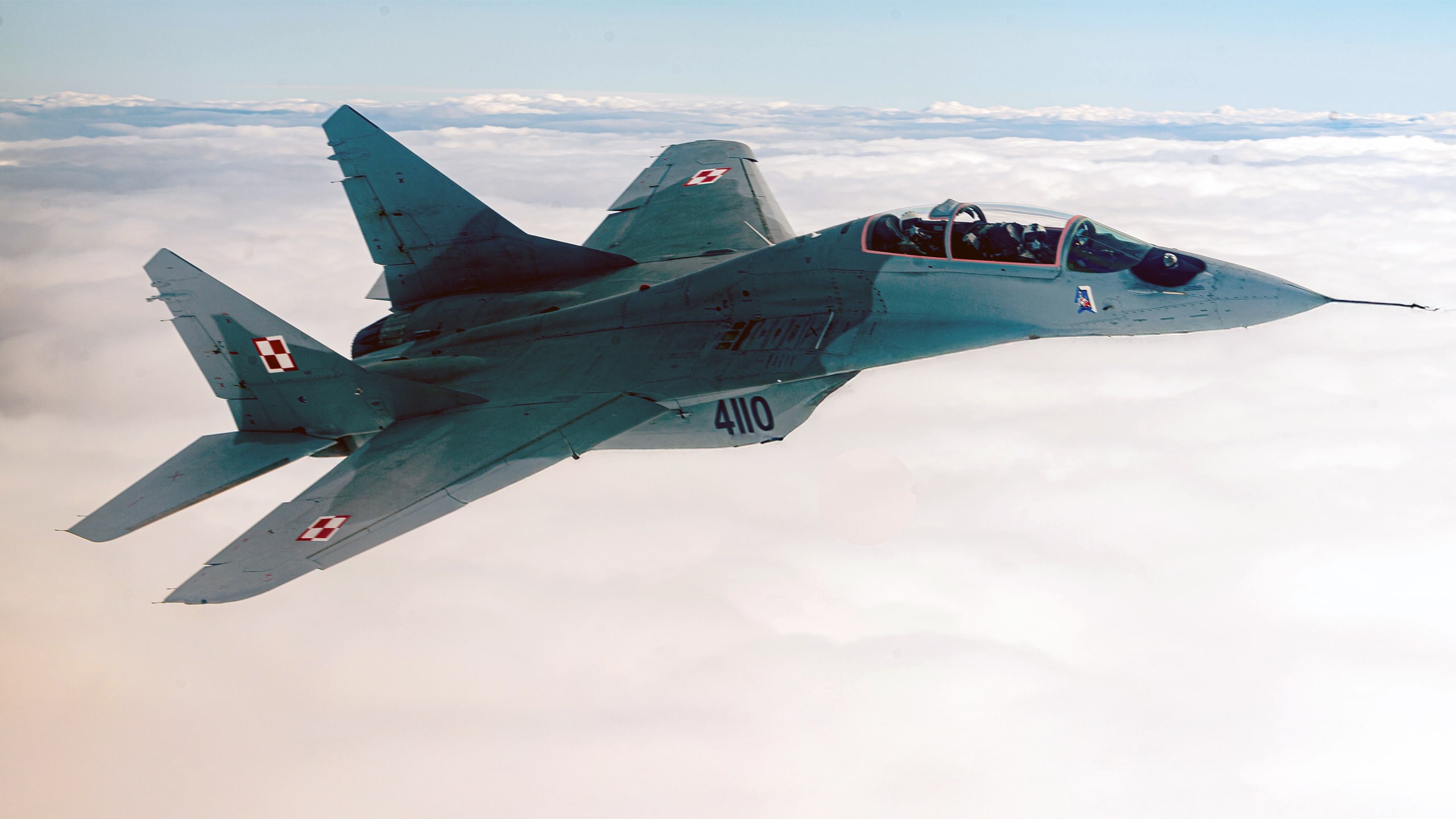
Unlike other Soviet-bloc equipment that was sold or scrapped, the inherited MiG-29 fighters were integrated into NATO training as adversary aircraft, where they flew against Western-made aircraft, notably the McDonnell Douglas F-4 Phantom II and McDonnell Douglas F/A-18 Hornet. The former East German military aircraft received basic upgrades, including new radios and IFF transponders, and was designated MiG-29G/GT. The aircraft were phased out of German service in the early 2000s and sold to Poland for a symbolic one euro!
That former Communist Bloc nation was one of the largest operators of the MiG-29 outside of Russia.
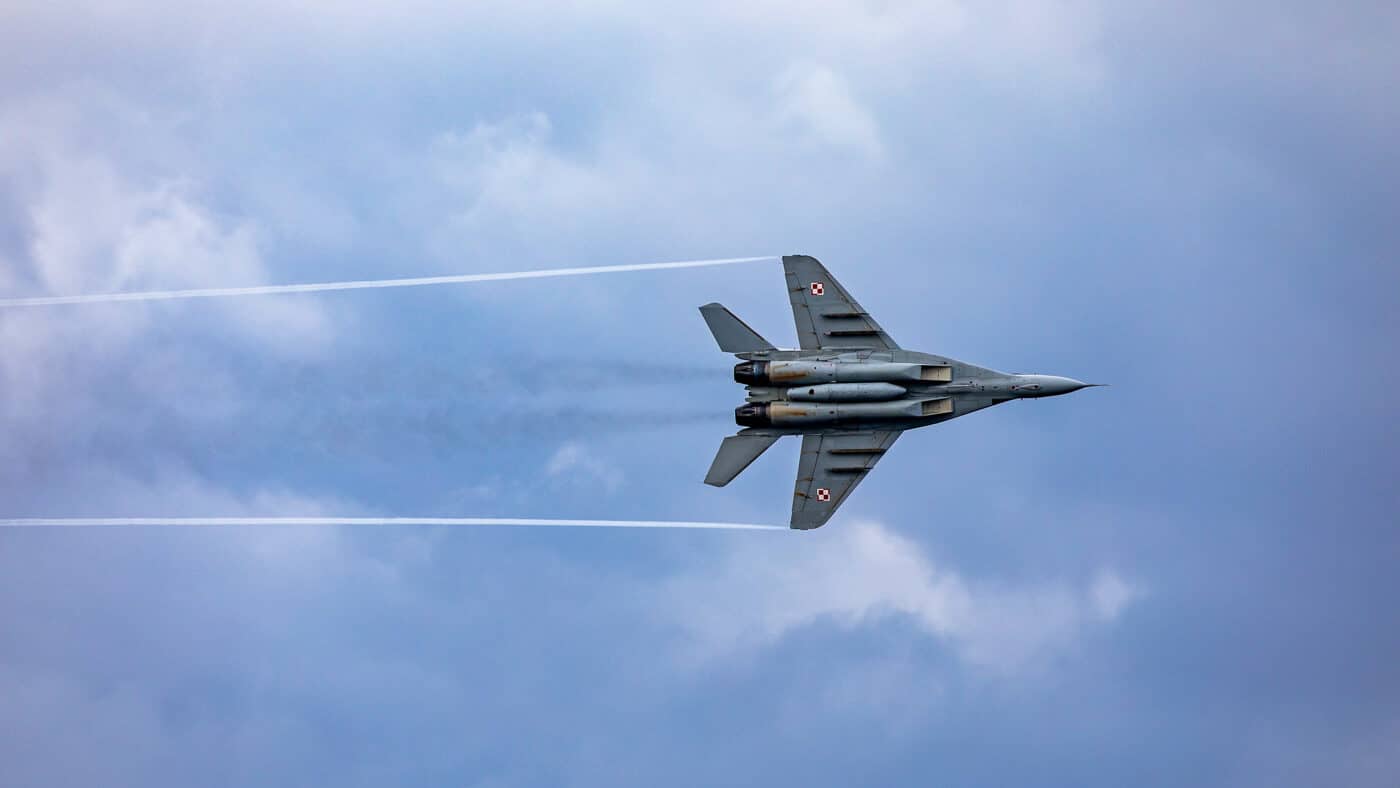
Warsaw received approximately 44 MiG-29’s, including a dozen from the Soviet Union, before the end of the Cold War, and later acquired 10 from the Czech Republic and an additional 22 from Germany.

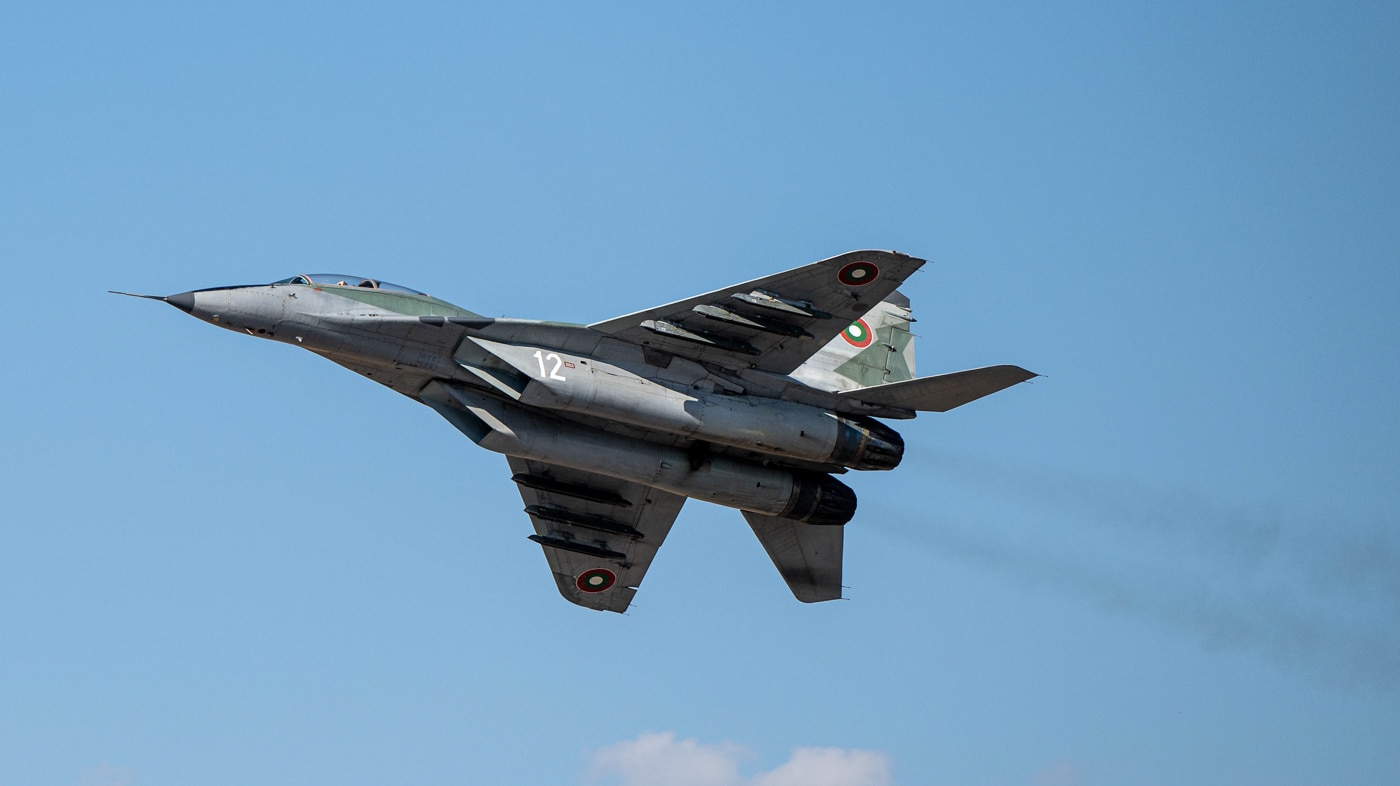
In early 2023, Poland transferred approximately 27 of its MiG-29’s to Ukraine in response to Russia’s unprovoked invasion in February 2022. In December 2025, Warsaw announced that it was in talks to provide Kyiv with its remaining 14 Fulcrums, comprising 11 single-seat and three dual-seat trainers. Unlike Western-supplied aircraft, the transfer would require minimal additional training for Ukrainians.
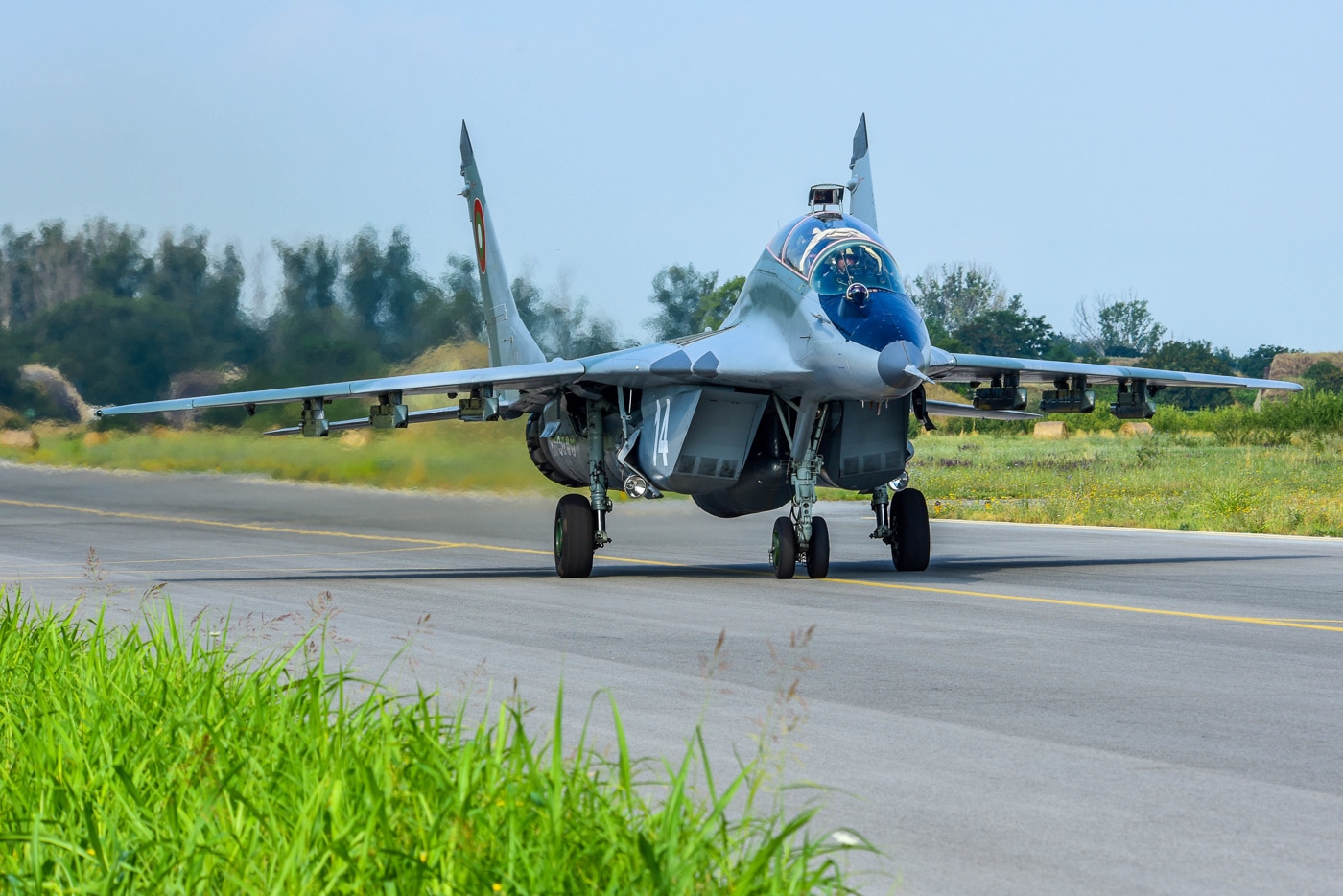
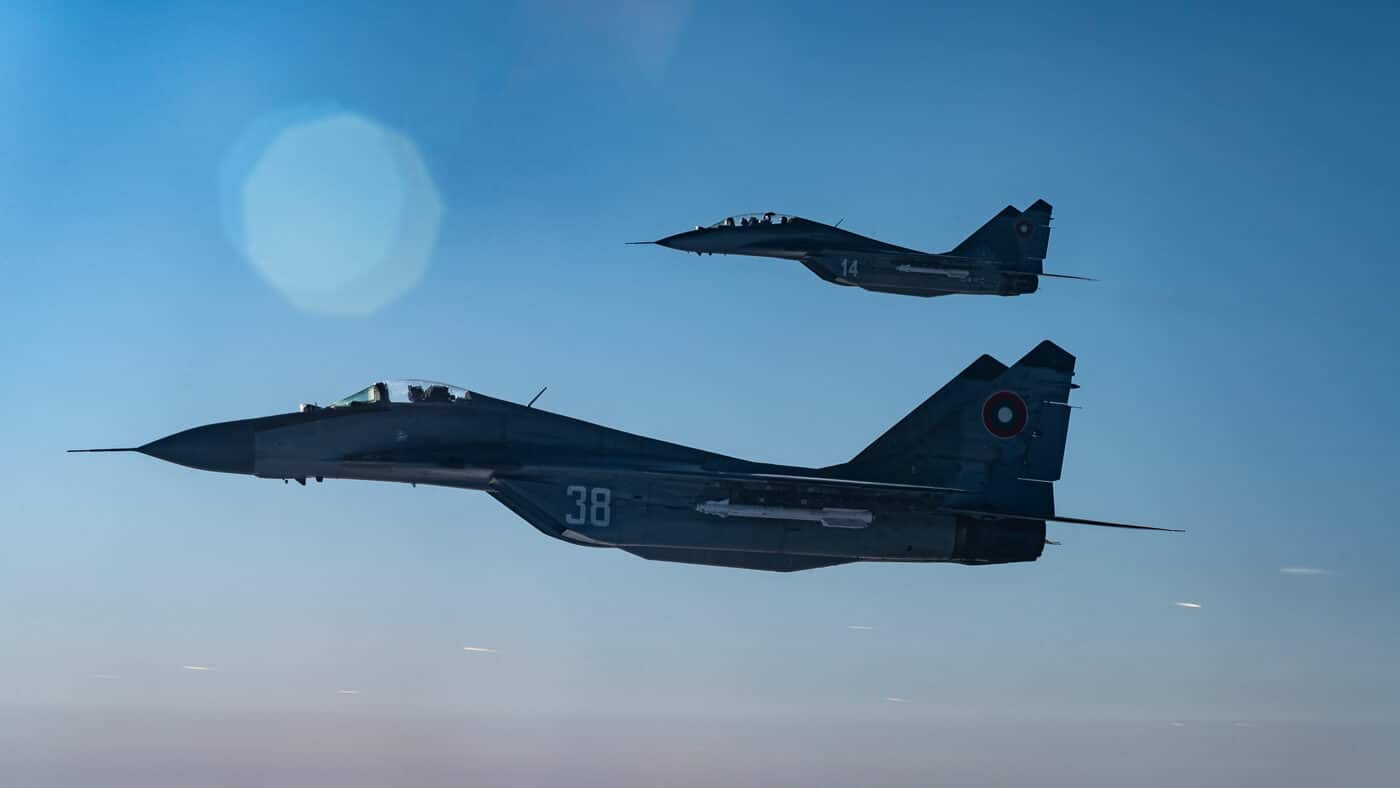
If Poland does transfer all its MiG-29’s, it would leave Bulgaria as the last NATO operator of the Cold War-era Soviet fighters. Sofia had previously ruled out transferring its Fulcrums to Kyiv, but Bulgaria is now adopting the F-16C/D Block 70 fighters as it modernizes its air force. That could pave the way for additional MiG-29’s to head to Ukraine.
American MiG-29 Fulcrums
An unexpected operator of the MiG-29 was the United States, which purchased 21 of the multi-role aircraft at the end of the Cold War.

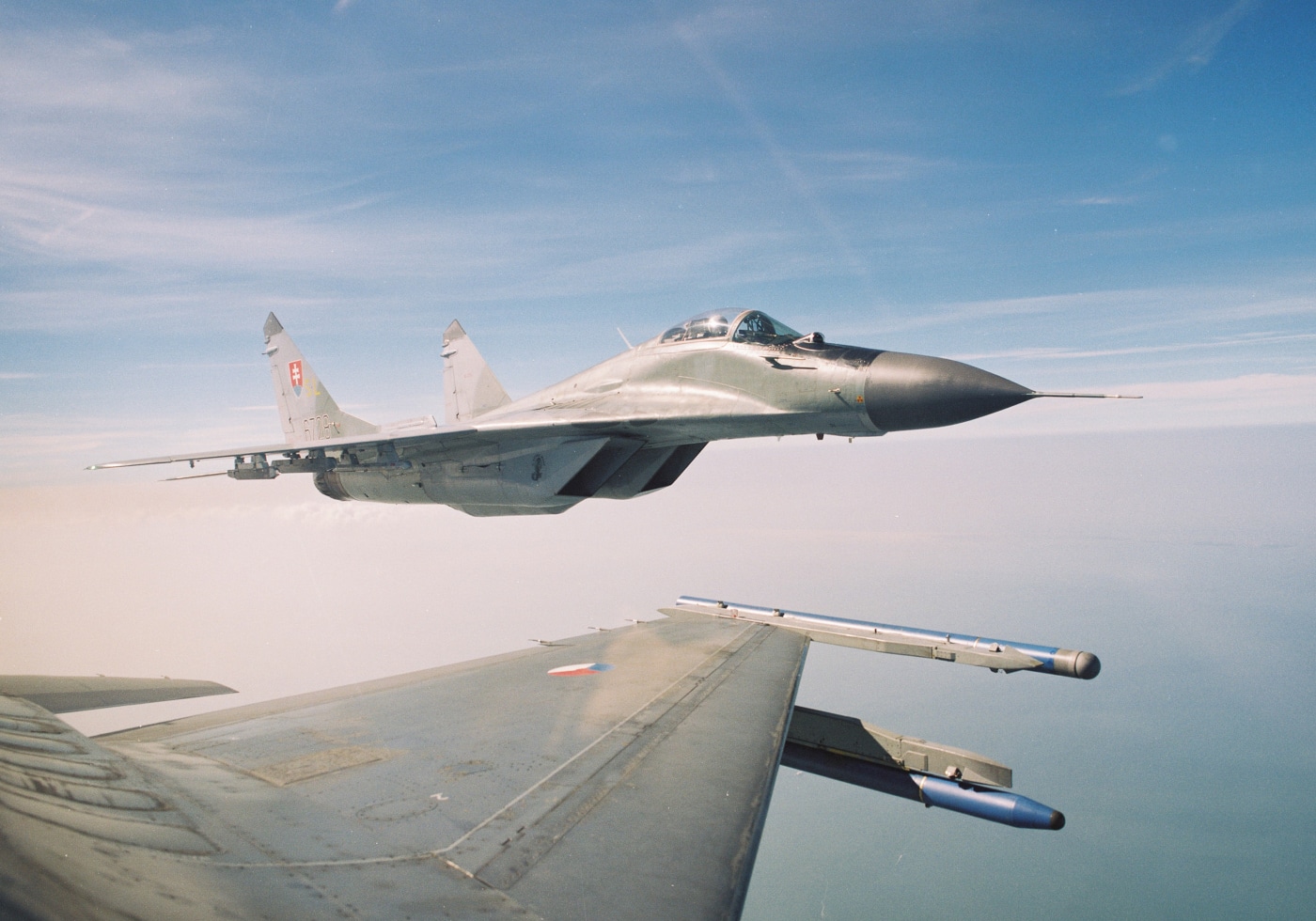
U.S. pilots had already gained experience with the German-operated Fulcrums, and at beyond visual range exceeding 40 miles, the U.S. Air Force F-15 Eagles and F-16 Falcons enjoyed a considerable advantage over the Fulcrums — a point that was likely further underscored during the Gulf War. The MiG-29 closed the capability gap when actions occurred within 10 miles, and when aerial engagements were within five miles, the Fulcrum’s exceptional maneuverability gave it an advantage.
U.S. pilots conducted additional training with the Soviet fighter the late 1990s, when the Republic of Moldova sold its MiG-29 fighters to the United States. Chisinau had approached Washington after the U.S. expressed concerns that Moldova, which had previously been a Soviet republic, might sell its fleet of 21 nuclear-capable MiG-29 combat planes to a nation seeking nuclear delivery capabilities, notably Iran. The Islamic Republic already operated the aircraft but would have been eager to expand its fleet. The U.S. stepped in to ensure it didn’t happen.
It came about in part due to a program that was set up for just such issues.
Following the dissolution of the Soviet Union, the U.S. had serious reason to fear that the former arsenal of 30,000 nuclear weapons and other military hardware could find its way to other nations. Although Russia was able to inherit the Soviets’ nuclear arsenal, the U.S. government’s Nunn-Lugar Cooperative Threat Reduction (CTR) program help ensured that Ukraine, Belarus, and Kazakhstan became “nuclear weapon-free.” Funding from that program was also used to acquire Moldova’s MiG-29s, and the U.S. paid Moldova $40 million, along with humanitarian assistance that included non-lethal defense equipment, such as trucks and industrial systems.
MiG-29 Fighters in Museums
The American-acquired Fulcrums were used as adversary aircraft and also provided insight to the U.S. Air Force, U.S. Navy, and U.S. Marine Corps. It is unclear what was done with most of those aircraft, but seven are now publicly accessible.

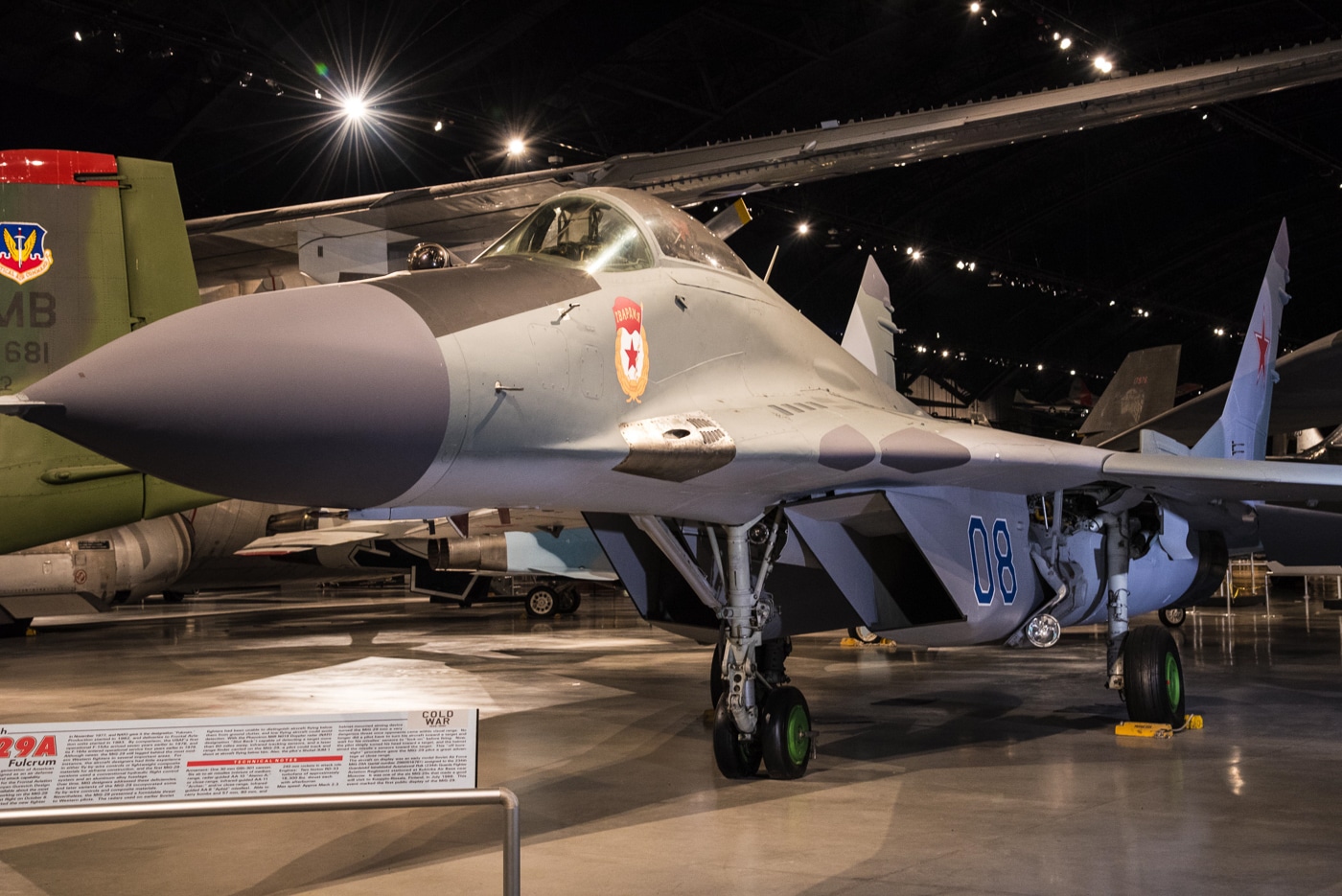
“After a brief testing period, most were either scrapped or placed in museums,” explained the Pima Air and Space Museum in Tucson, Arizona. One of those MiG-29s was displayed at Tyndall Air Force Base, Florida, until 2008, when it was loaned to the Pima Air and Space Museum by the National Museum of the United States Air Force.
Another MiG-29 of note is also on display at the Air Force’s museum at Wright-Patterson AFB, Dayton. It is a Soviet Air Force early-model MiG-29A (S/N 2960516761) that was previously assigned to the 234th Gvardeiskii Istrebitelnii Aviatsionnii Polk (234th Guards Fighter Aviation Regiment), stationed at Kubinka Air Base near Moscow.
“It was one of the six MiG-29s that made a goodwill visit to Kuopio-Rissala, Finland, in July 1986. This event marked the first public display of the MiG-29,” the National Museum of the U.S. Air Force noted.
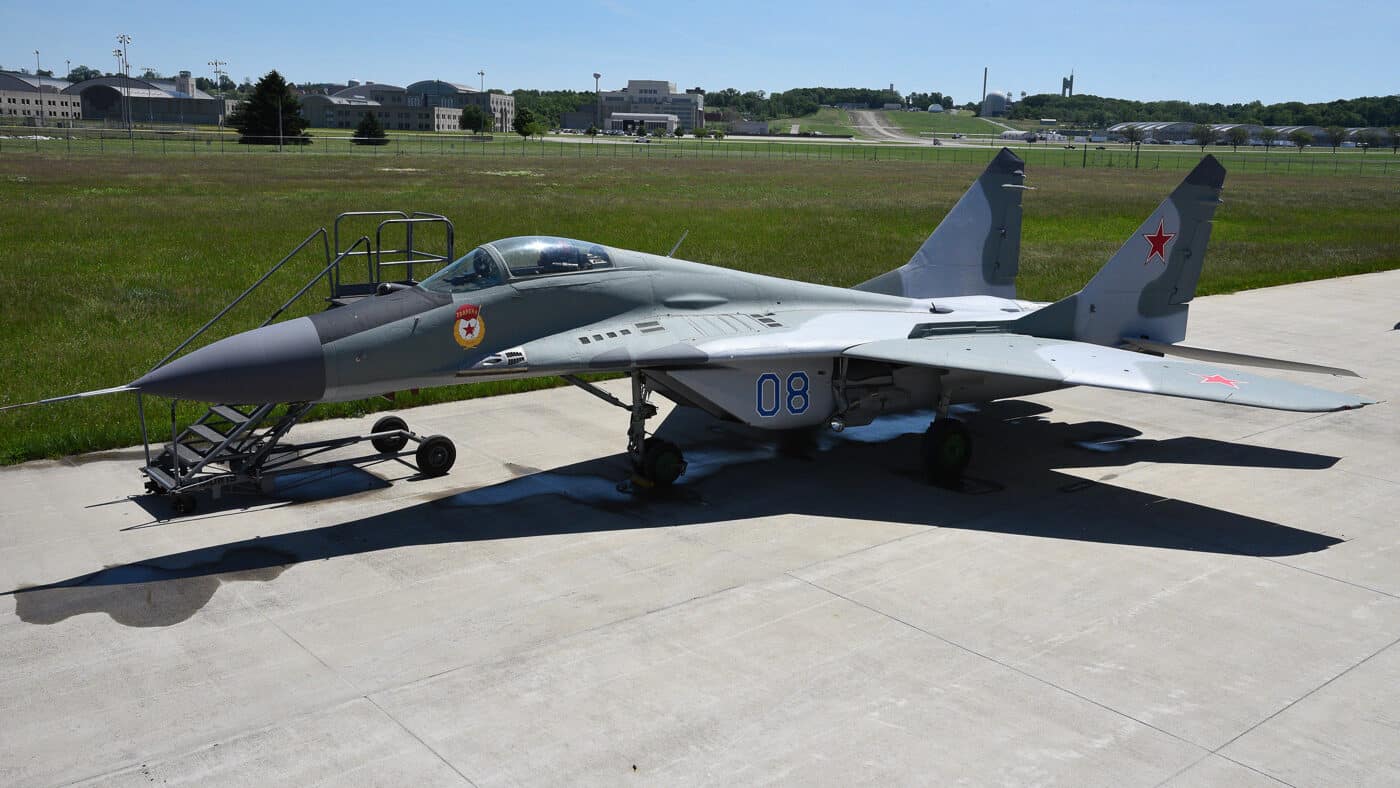
Others are at Goodfellow AFB, San Angelo, Texas; at Naval Air Station Fallon, Nevada; at Nellis AFB, North Las Vegas, Nevada; at the Evergreen Aviation and Space Museum in McMinnville, Oregon; and at the National Air and Space Intelligence Center at Wright-Patterson AFB.
Several other MiG-29s are in museums in the Czech Republic, Canada, Germany, Hungary, India, Latvia, Malaysia, Poland, Romania, and Slovakia. At least another seven are in Russian museums, a testament to the legacy of its Cold War-era light fighter.
Editor’s Note: Please be sure to check out The Armory Life Forum, where you can comment about our daily articles, as well as just talk guns and gear. Click the “Go To Forum Thread” link below to jump in!
Join the Discussion
Read the full article here