
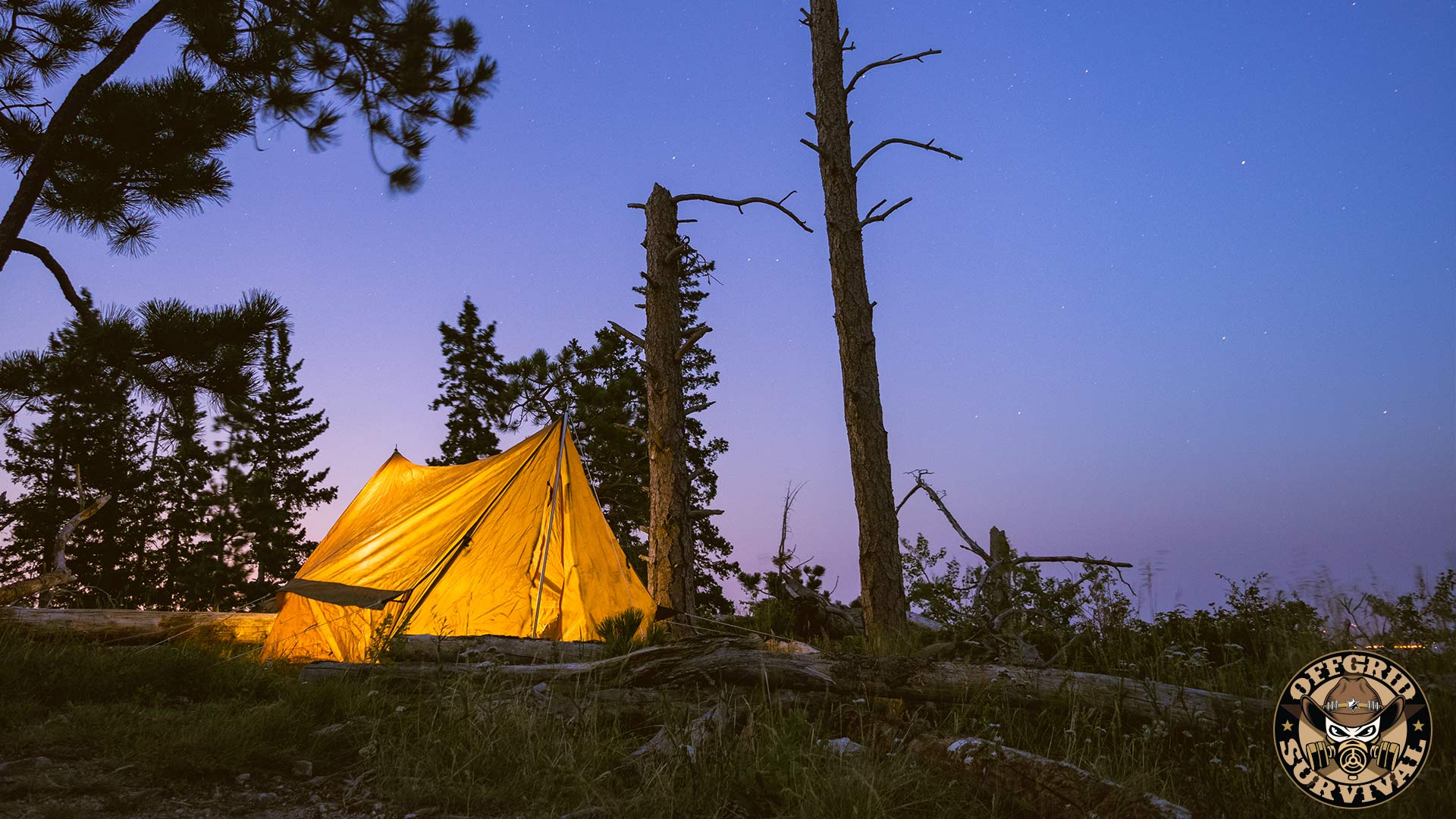
Don’t be caught off guard. Prepare yourself by going camping.
When it comes to preparedness, testing, practice, and real-world experience is everything. If you have a closet full of gear, but you’ve never really put that gear to the test, then why bother even having it? A bag full of unused equipment isn’t preparedness. It’s just stuff. It only becomes preparedness once you’ve actually proven, with your own hands, that you can use it.
Camping, fishing, and hunting are all great ways to relax and spend time with the family. They’re also great ways to improve your survival and preparedness related skills, and most people sleep on that second part entirely. Only by testing yourself in a real-world setting can you truly understand what it will take to survive a real-life disaster, because a disaster doesn’t care how confident you felt reading about it on a Tuesday night.
Good old fashioned camping is a great way to get in shape, discover how you’ll do with limited resources, and introduce children to the idea of preparedness — all without the stakes of an actual emergency hanging over your head. Mess up a knot, burn your dinner, forget your rain fly. Out here, those mistakes cost you a rough night, not your life. That’s the entire point.
Just Do It: Reading a Book Is Not a Substitute for Real-World Experience
Reading about survival is one thing. Actually practicing the skills you’re reading about in a real-world setting is entirely different. The only way you can truly be proficient in anything is to get out there and do it. Think about it: when you first learned to ride a bike, did you do it by reading about it in a book, or did you get out there and practice until you stopped falling over?
Reading a book or a website about survival is not the same thing as getting out there and using that knowledge in a real-world survival situation. You need to start putting your knowledge to use, and you need to do it before the day you actually need it for real.
This is where most preppers quietly fail without realizing it. They’ve watched the videos, bookmarked the articles, maybe even bought the gear, and they genuinely believe they’re prepared because the knowledge is sitting in their head somewhere. Knowledge that’s never been pressure-tested is a theory, not a skill. The first time you try to start a fire with a ferro rod shouldn’t be during a power outage with your hands shaking from the cold. It should be in your backyard on a random Saturday, where the only consequence of failure is a slightly annoyed family member waiting on hot dogs.
It Doesn’t Take Much… You Have a Backyard, Right?
Personally, I’m a big fan of renegade camping or boondocking — trekking out far from civilization without modern hookups or conveniences. But not everyone shares my enthusiasm for really roughing it, and those who lack real-world wilderness experience really shouldn’t try it for the first time out there, miles from help, with nobody around to bail them out if it goes sideways.
You don’t even have to leave your home to go camping.
Don’t worry, you don’t need to trek miles away from people to benefit from camping. If you have a backyard, or even a living room, you have everything you need to get started — especially if you have small kids who aren’t ready for a real backcountry trip yet but are more than ready to fall in love with the idea of one.
Camping at home can be a great way to ease younger children into the idea of camping out in the wilderness. A backyard adventure is not only an experience they will remember forever, it will start them down a path that will benefit them for the rest of their lives. And honestly, it’s not just for kids. If it’s been years since you’ve set up your own tent, your backyard is the cheapest dress rehearsal you’ll ever get. Find out now that you’re missing a tent pole, not three miles into a real trip with the sun going down.
Preparedness Skills You Can Practice While You’re Out Camping
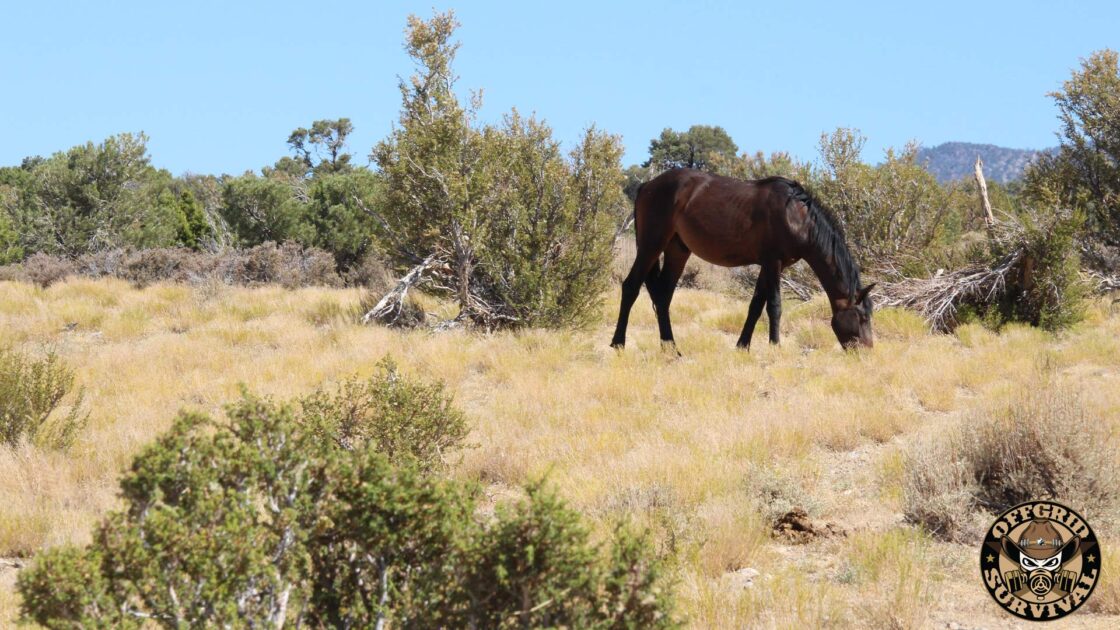
For the beginner, things like learning how to put up a new tent, figuring out how to cook on an outdoor stove or fire, and testing out your sleeping bags are all great first steps. Once you have the basics down, you can then start to throw in some other wilderness survival related training. Don’t try to do everything on your first trip. Layer it in, one skill at a time, the same way you’d build any other competency.
Learn How to Start a Fire
Learning how to start a fire is a skill that everyone should have, but learning how to start one is only half the battle. Just like all aspects of preparedness, practice makes perfect.
Take the time to learn how to not only start a fire, but how to start one using various different fire starting techniques. Once you have that down, really start to study how different tinder, woods, and stacking techniques affect the fire. A fire that lights easily with dry birch bark in your backyard behaves completely differently with damp pine needles after three days of rain — and you only learn that difference by actually getting your hands dirty trying it.
Learn How to Construct a Good Tarp Shelter
I love making tarp shelters. They’re fun, easy to make, and can really make a difference during an emergency situation. While building shelters from natural materials is always an option, tarp shelters are something you can practice in your backyard, or even in your living room in a pinch.
Set one up in good weather first so you understand the knots and the angles. Then, once you’ve got the basic pitch down, try setting the same shelter up in the rain or in real wind. That’s the version of the skill that actually matters, and it’s one most people never bother to test until the night they need it most.
Make Your Breakfast in a Thermos
During an emergency, where power and gas may be hard to come by, a thermos can be a great way to cook a wide variety of slow cooking foods. They’re also awesome while camping, and they barely show up as extra weight in a pack.
Using a thermos can be a great way to save fuel when cooking foods that have a long cooking time. If you’ve ever cooked with a crock pot, then the concept of cooking with a thermos is pretty similar. It allows you to simmer foods for a long time, with only the fuel that’s required to boil some water — which matters a great deal when your fuel supply is finite and your stove isn’t getting resupplied anytime soon.
Practice Making Survival Traps and Snares
If you have kids, you need to be careful with this one. That being said, knowing how to find and procure food is going to be essential to your ability to survive during a long-term survival situation. In order to get enough calories, you’re going to have to find foods high in fat and protein, and that means you’re going to need a way to hunt and trap game.
The best survival traps are usually very simple to make, and can be constructed with natural materials if you know what to look for. Practicing trap construction at camp, even without setting it to actually catch anything, builds the muscle memory you’d otherwise be trying to learn from scratch under real pressure.
Camping Safety Tips
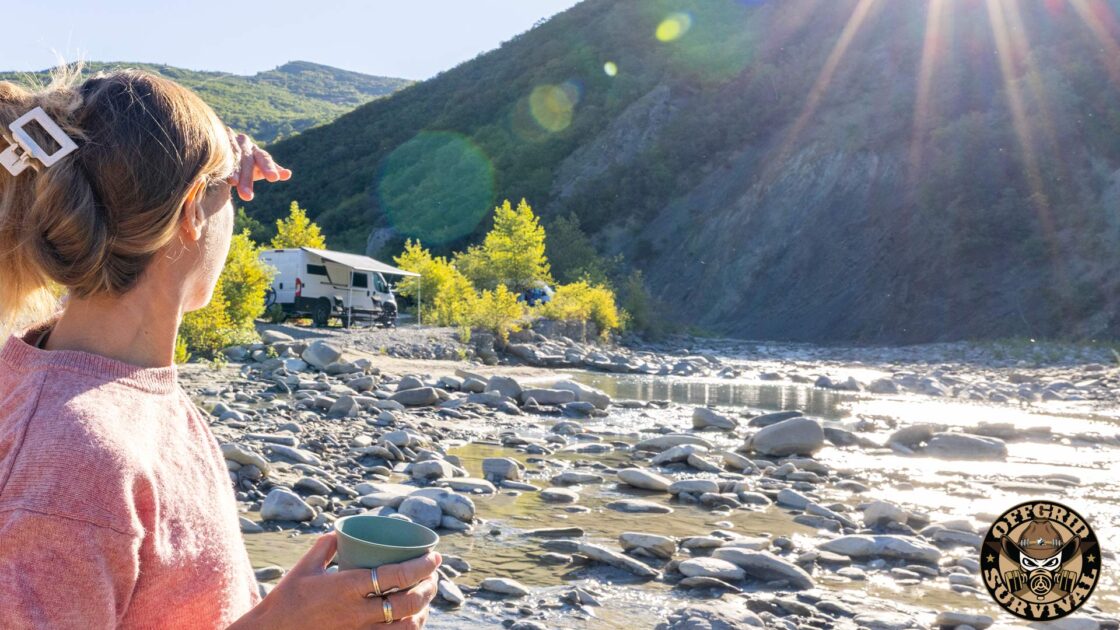
If you do decide to trek out into the wilderness and camp for a couple of days, there are some safety tips that you need to keep in mind. None of this is optional, and none of it should be skipped just because you’re “only” going out for a weekend.
- Pack a Good First Aid Kit: First aid kits are one of those preparedness items that people often forget about. Unfortunately, they don’t seem to receive the same amount of attention that things like survival knives, guns, and bug-out bags get — which is backwards, because you’re far more likely to need a bandage than a firearm on a given trip. Check out our article on 30 Things You Should Have in Your First Aid Kit.
- Have a Pre-Trip Plan: One of the most important parts of any backcountry camping trip is your pre-trip planning. Planning will help ensure your camping adventure goes smoothly, and will allow you to account for any threats you may face out in the wilderness. Here are the safety steps I take before any backcountry adventure.
- Fill Out an Emergency Plan Sheet: One of the best ways you can prevent becoming another statistic is by filling out a detailed trip plan. Should something happen, and you fail to return home at the agreed upon time, your plan can help search and rescue teams know exactly where to start looking. Download our pre-trip planning guide here.
- Bring Extra Emergency Supplies: In addition to a first aid kit, make sure you pack things like a map, compass, flashlight, knife, duct tape, waterproof matches, whistle, blankets, and a solar or hand-crank cell phone charger. None of these are heavy, none of these are expensive, and any one of them can be the difference-maker on a bad day.
- Stay Hydrated: Being out in the elements can take a toll on your body. Make sure you pack enough water for your entire campsite. If you like to hike and be on the move, we recommend carrying a portable hiking water filter.
- Stay Alert: When you’re out in the wilderness, keep your eyes open. Just like all aspects of survival, situational awareness is the key to staying safe. Gear and knowledge only get you so far if you’re not actually paying attention to what’s happening around you.
A backyard tent pitched on a Saturday afternoon won’t make headlines, and nobody’s going to call you a survivalist for sleeping forty feet from your own back door. But that’s exactly the point — it’s low stakes, it’s repeatable, and it’s where real competence actually gets built, one unglamorous weekend at a time. The wilderness doesn’t grade on a curve for good intentions, and neither does a grid-down emergency. Go test yourself now, while the only thing on the line is your pride.
Read the full article here