

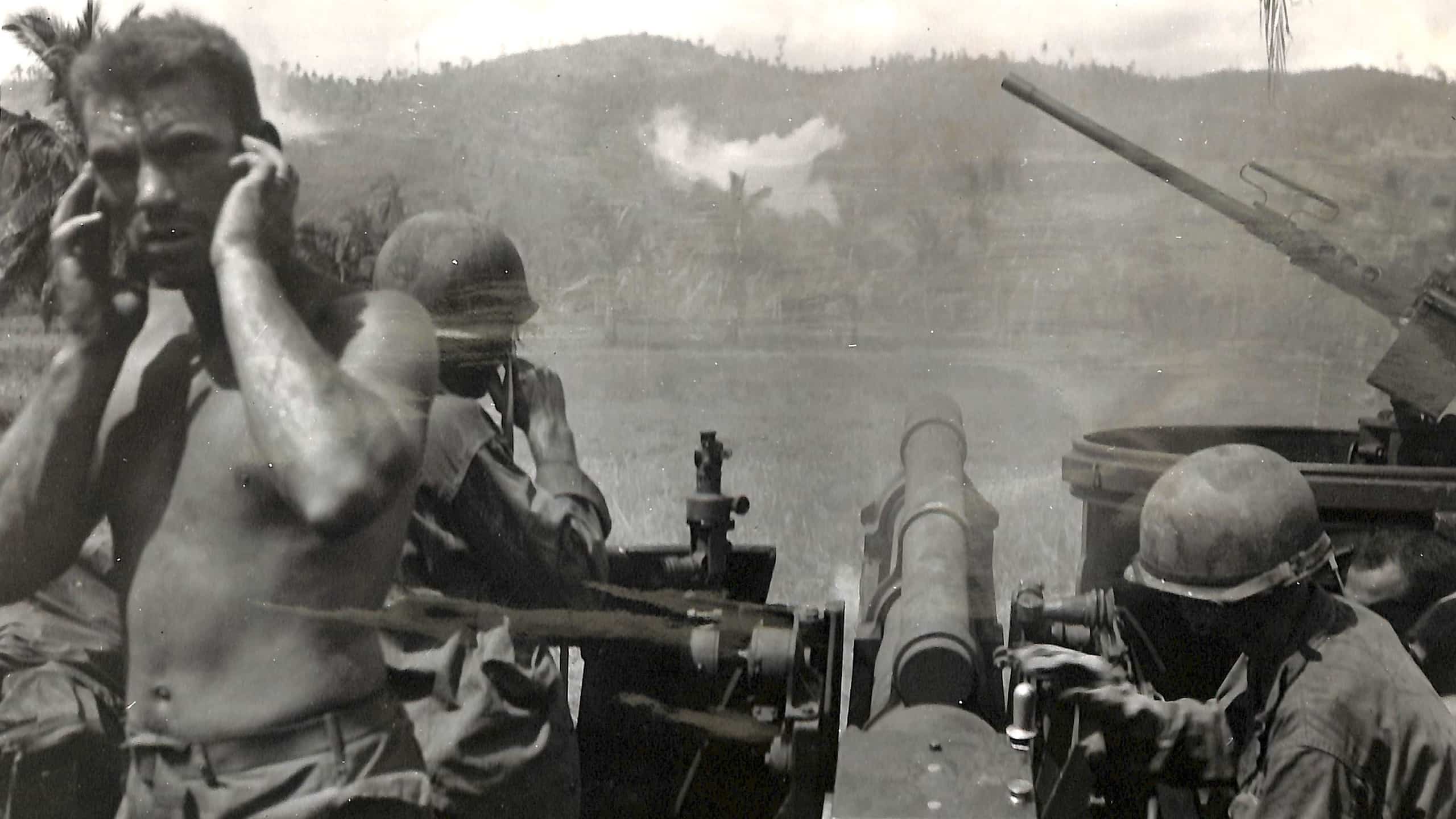


American self-propelled artillery in World War II transformed how the United States Army delivered firepower on the battlefield. These tracked vehicles combined mobility with devastating howitzers and guns, keeping pace with advancing armor divisions in ways towed artillery never could. From the M7 Priest’s 105mm howitzer to the massive M43’s 8-inch gun, these weapons shaped combat operations across North Africa, Europe, and the Pacific.
The story starts with improvisation. When Germany blitzed through France in 1940, American planners saw they needed artillery that could move fast and hit hard. Self-propelled guns became essential for supporting mobile warfare. The U.S. entered the war in late 1941 with almost nothing in this category, forcing engineers to mount existing artillery pieces on whatever chassis they had available.
T19 Howitzer Motor Carriage
The T19 Howitzer Motor Carriage represents the first American attempt at fielding self-propelled artillery during the Second World War. Engineers adapted the 75mm M2A1 gun and mounted it on the M3 halftrack chassis. This quick solution entered service in 1941, but the vehicle soon showed its limitations.

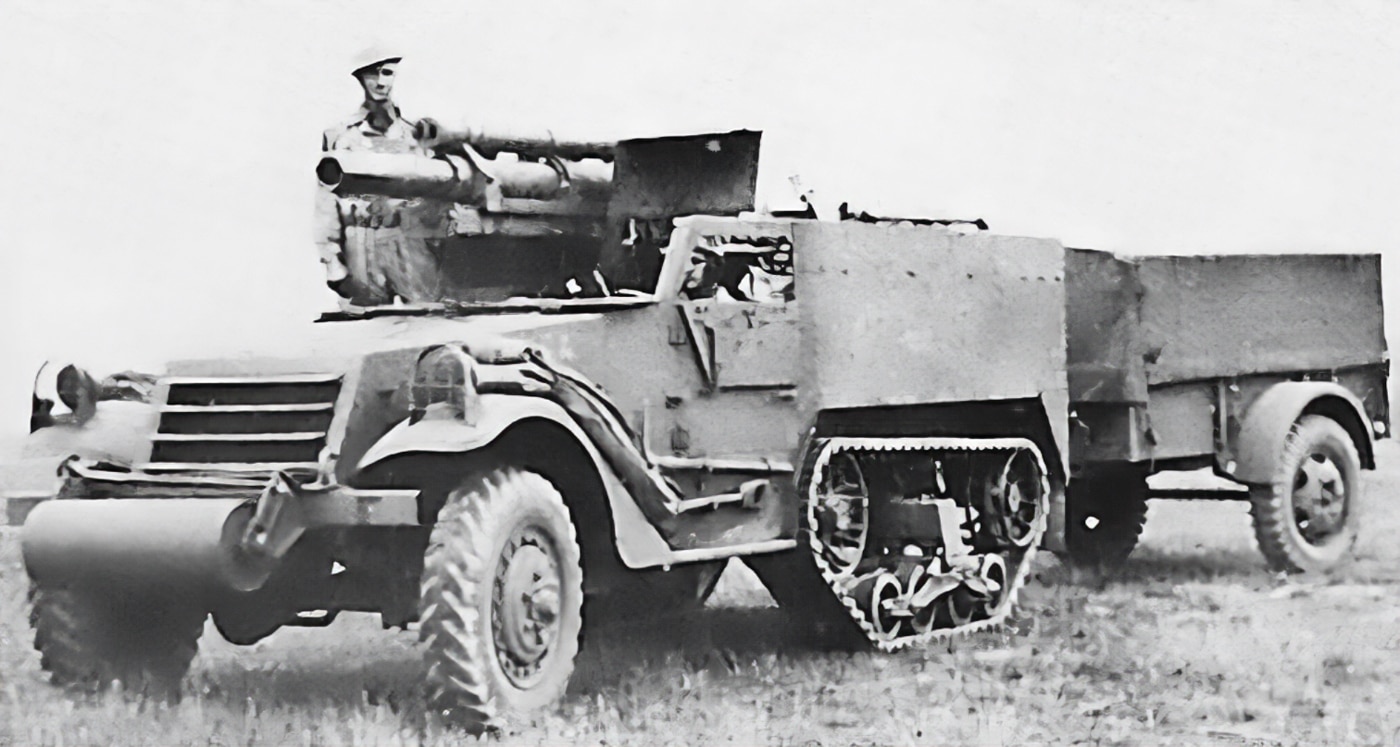
The weapon system featured an open-topped fighting compartment with limited armor protection, and the crew operated the howitzer from the vehicle’s rear platform. Development began in 1941, and the vehicle entered production in 1942, representing one of the early American attempts to create mobile artillery support for its increasingly mechanized forces.
In combat, the T19 saw limited use by U.S. forces during World War II. While approximately 300 units were produced, the design had significant limitations that reduced its battlefield effectiveness. The half-track chassis provided insufficient stability for the powerful 105mm howitzer, leading to accuracy issues during firing, and the open-top design left the crew vulnerable to enemy fire and artillery fragments. The vehicle’s armor protection was minimal, suitable only for deflecting small arms fire and shrapnel. These drawbacks led to the T19 being gradually superseded by more capable self-propelled artillery designs.
The M7 Priest: Backbone of American Mobile Artillery
The 105mm Howitzer Motor Carriage M7 changed everything. Known as the Priest due to its pulpit-like machine gun ring, this vehicle became the most numerous and important self-propelled artillery platform in U.S. Army service during the war.

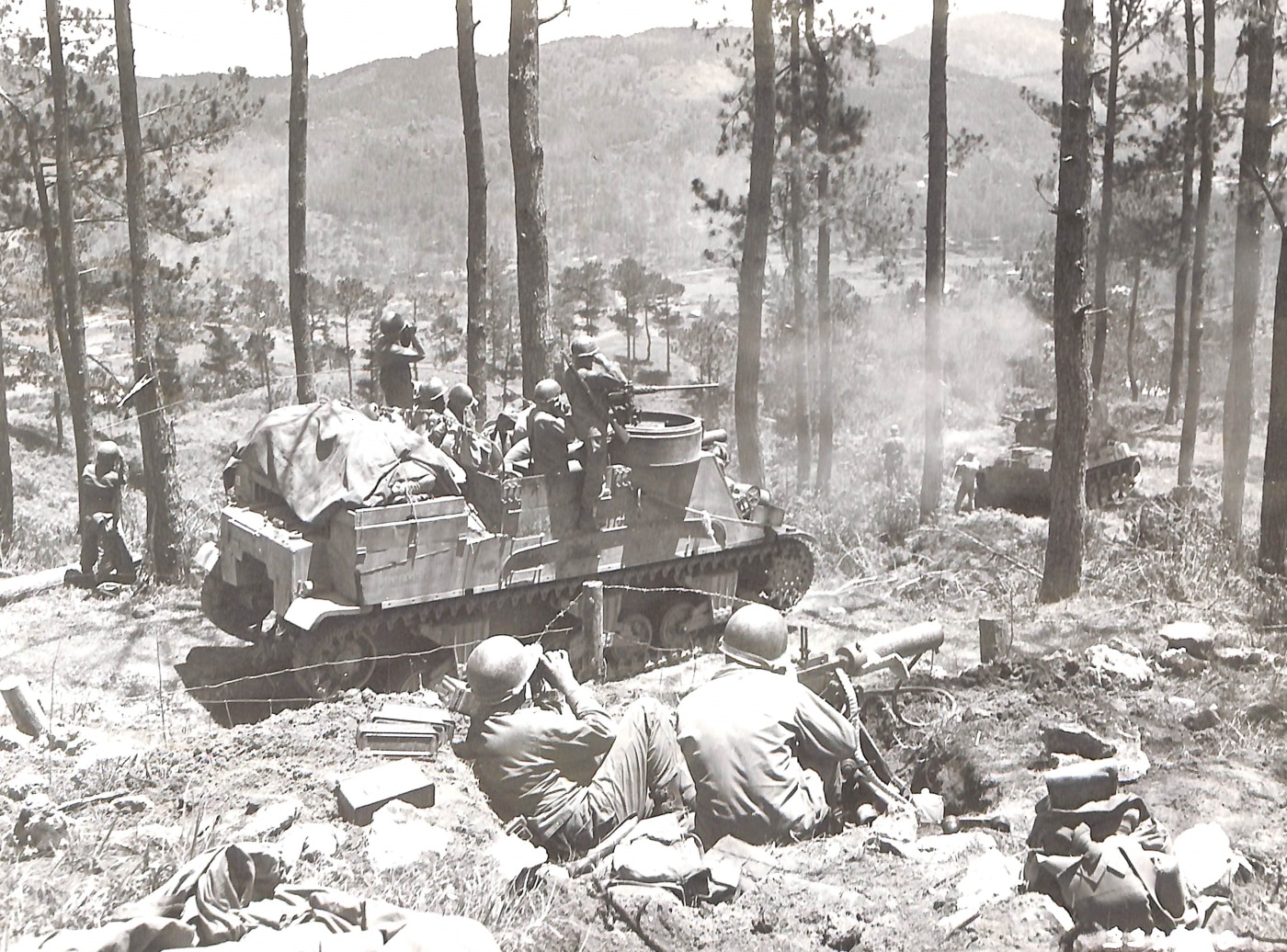
Development began in June 1941, six months before Pearl Harbor. Army observers in Europe recognized that self-propelled artillery needed proper armor and full tracks, not the halftrack compromises. They selected the M3 Lee tank chassis as the foundation. The M3’s proven drivetrain, when combined with the reliable 105mm M2A1 howitzer, created a vehicle that could survive combat while delivering accurate fire.
The M7 entered combat with the British in mid-1942. The British and Canadians eventually developed their own Sexton self-propelled gun, using the 25-pounder on an M4 chassis to address ammunition compatibility issues.

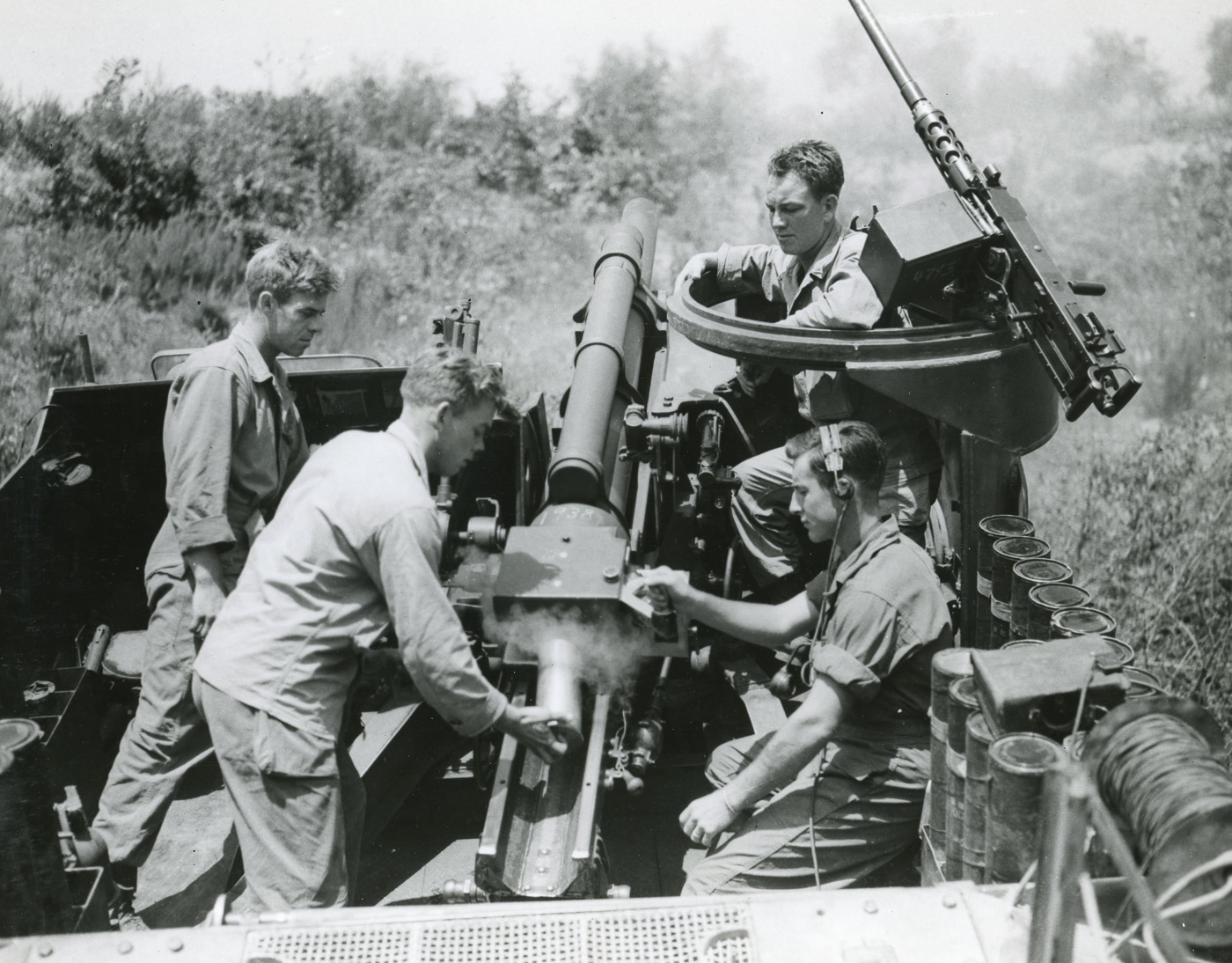
Americans used them in combat first during Operation Torch, and then through the rest of the war on every front. A B1 variant used the M4 Sherman chassis instead of the M3 Lee, as the Sherman became the standard American tank. Crews loved the M7 in all varieties. The vehicle had good mobility and an effective gun that put rounds on targets up to seven miles away. It could also defend itself against tanks, earning the nickname “tank killer” in some popular press.
The Army deployed four self-propelled Priests per battery, with three firing batteries per battalion when assigned to infantry. When assigned to armored units, each battery was assigned six Priests.

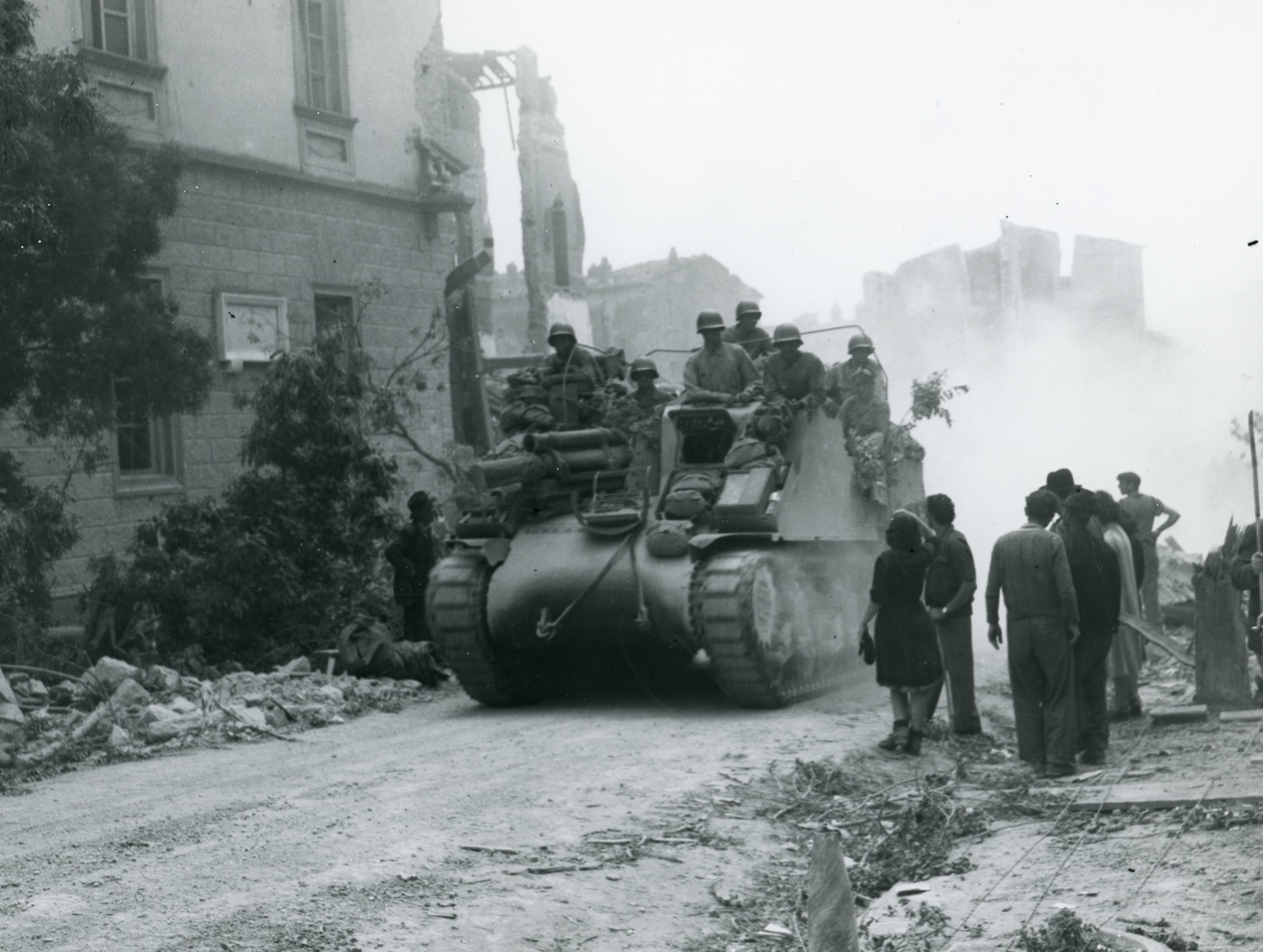
The M7’s open crew compartment was both an advantage and a vulnerability. It enabled better observation and faster loading because crews weren’t confined to a cramped turret. But it left them exposed to snipers and artillery airbursts. The vehicle carried a .50 caliber Browning M2HB machine gun on that distinctive pulpit mount for anti-aircraft defense.
The weapons system continued to see action in the Korean War, where it proved just as valuable supporting mobile operations against North Korean and Chinese forces. Several Allied countries received M7s postwar, with the West German Bundeswehr using them into the early 1960s.
M8 Howitzer Motor Carriage
The 75mm Howitzer Motor Carriage M8 filled a different tactical niche. With a crew of four, it mounted a 75mm M2/M3 howitzer on an M5 light tank chassis. Adopted in 1942, it provided fire support specifically for armored cavalry reconnaissance squadrons that needed lighter, faster artillery support.

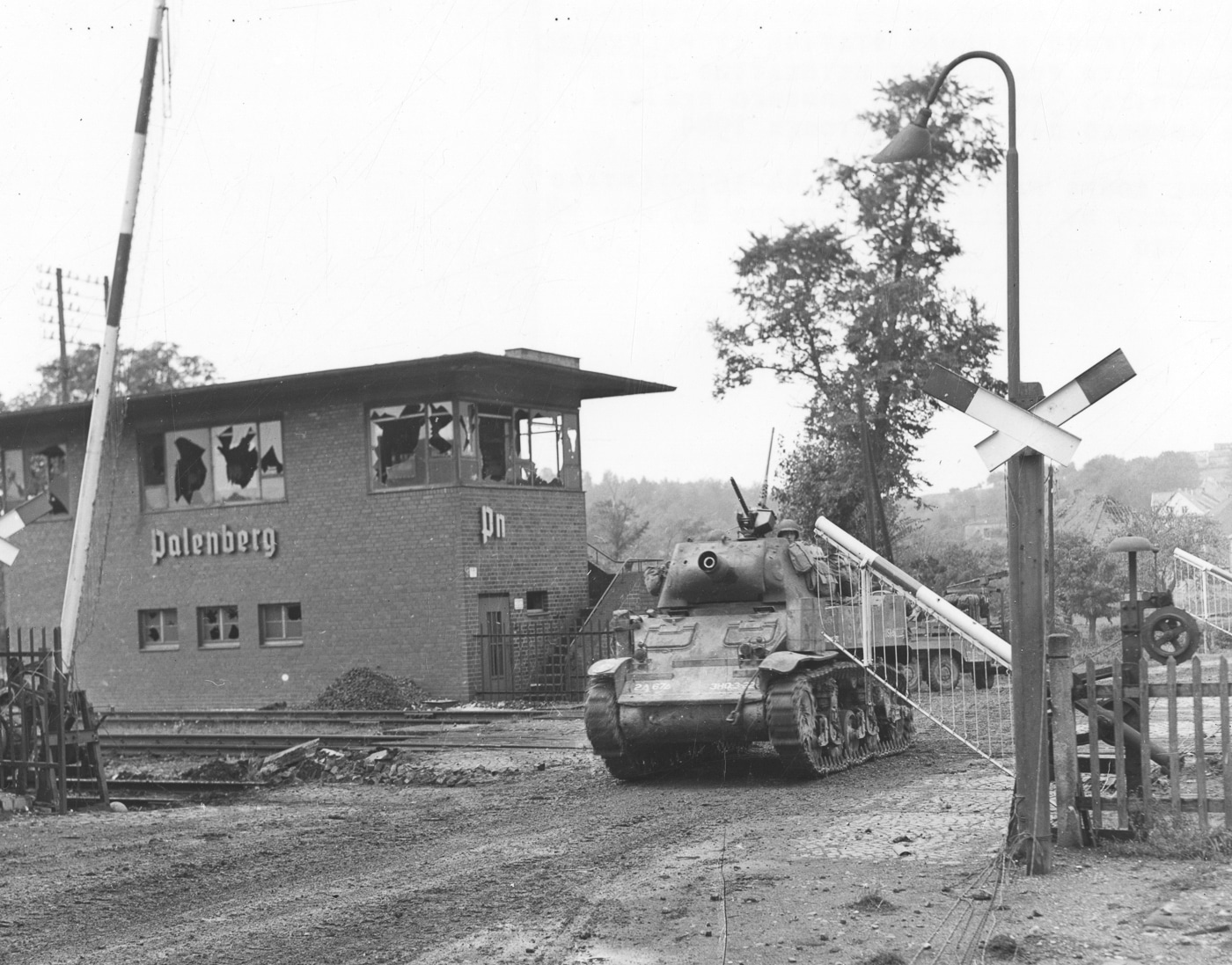
The M8 featured an open-top turret that gave the crew better situational awareness during fast-moving reconnaissance missions. A .50 caliber machine gun mounted at the rear provided secondary armament for close defense.
What made the M8 different was its role. It accompanied reconnaissance units, providing on-call fire support when cavalry scouts ran into trouble. Often, it was used for direct fire support against strongpoints and pillboxes. The M5 light tank chassis kept weight down and speed up, essential for keeping pace with fast-moving reconnaissance operations.

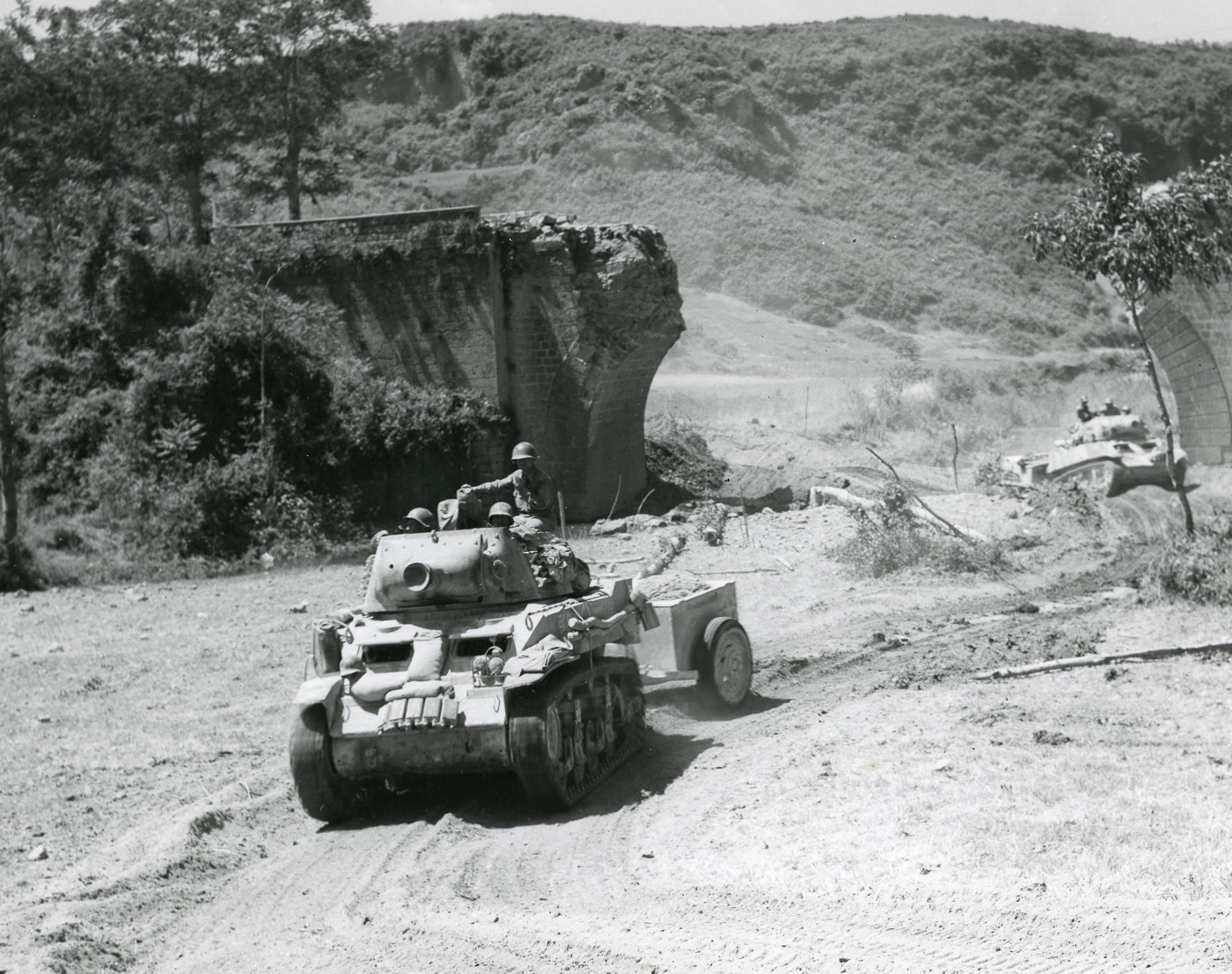
Production totaled 1,778 vehicles by war’s end. It wasn’t glamorous and didn’t pack the punch of heavier self-propelled artillery, but it did exactly what cavalry commanders needed — reliable, mobile fire support that could go where the action was.
M12 Gun Motor Carriage
The M12 Gun Motor Carriage has one of the stranger stories in American self-propelled artillery. It adapted the French 155mm GPF gun to motorized use, mounting it on an M3 medium tank chassis. Engineers moved the engine forward and fitted the powerful gun to the rear. A spade like a bulldozer blade at the rear sank into the ground for stability while firing.

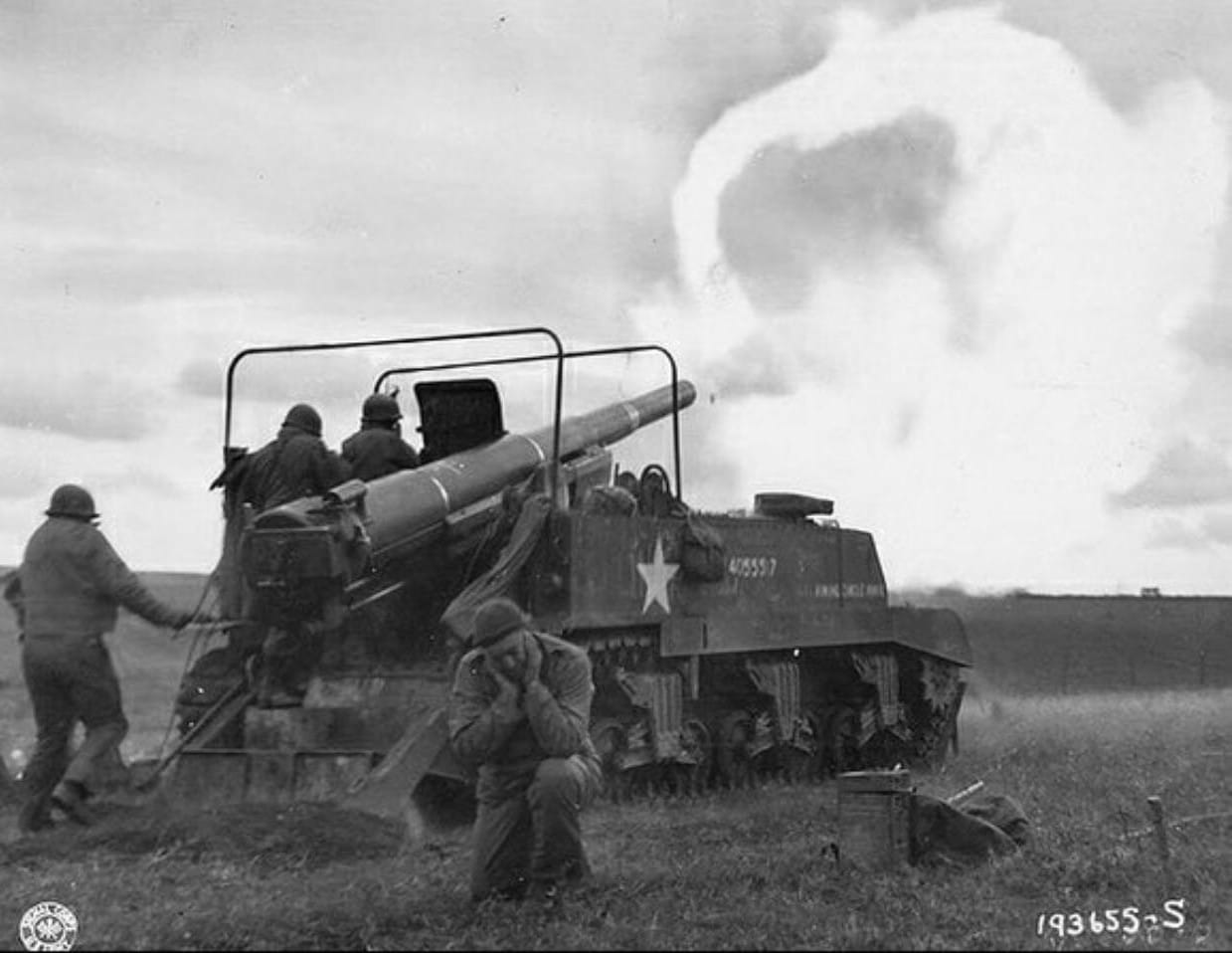
An even 100 were completed by early 1943. Then they sat in storage, seemingly waiting for the European Campaign that would not kick off until June, 1944. Seventy-four M12s were dug out of storage and shipped to units preparing for D-Day. They proved valuable as medium artillery support for fast-moving armor during the breakout from Normandy and the drive across France.
The M12 had a maximum range of 21,982 yards with a crew of six. It fired the same 155mm ammunition as towed guns, making supply easier. The vehicle was accompanied by an M30 cargo carrier converted from an M12 chassis that hauled ammunition and supplies. This two-vehicle team could operate semi-independently, carrying enough ammunition for extended fire missions.

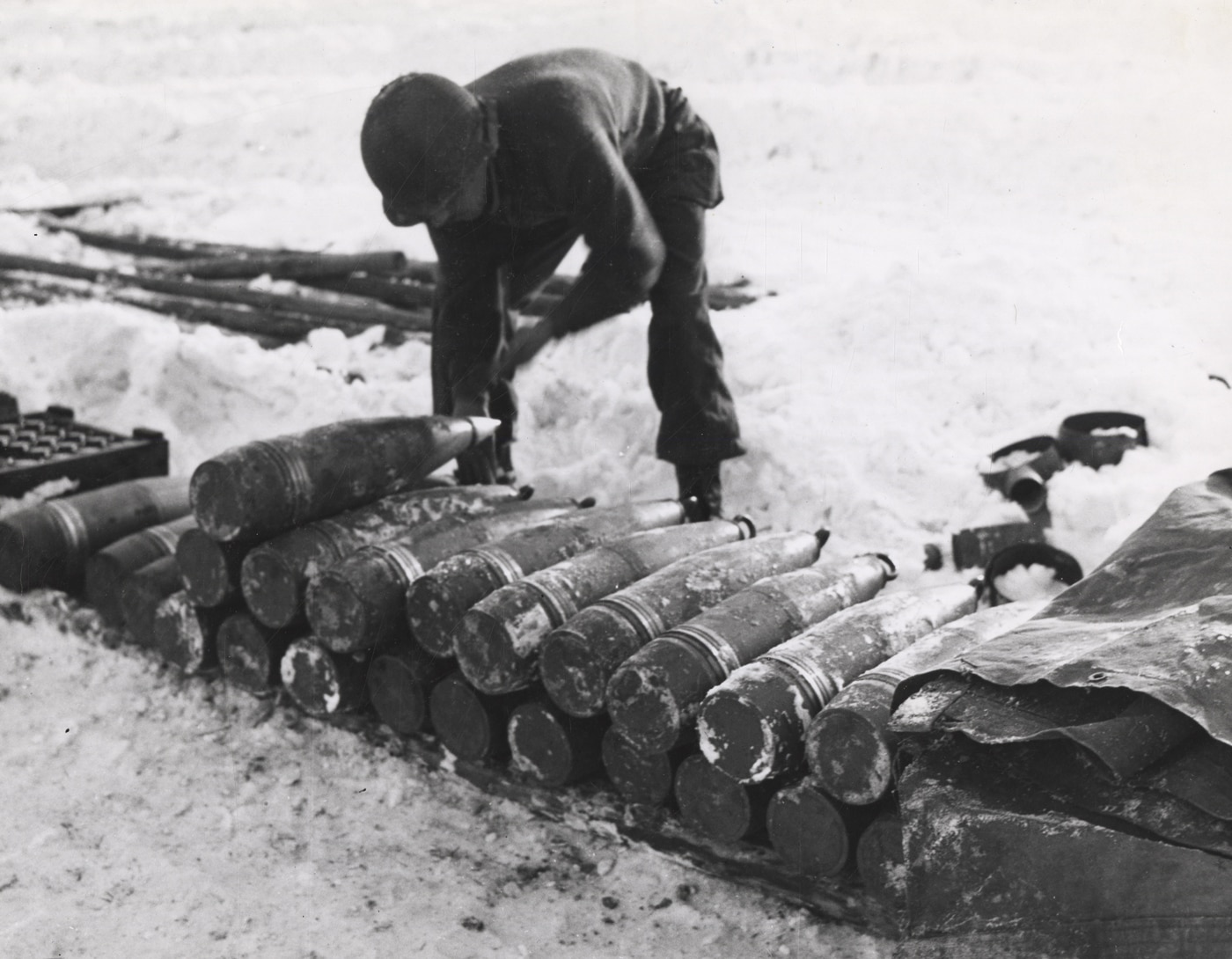
The 155mm gun gave the M12 serious reach. It could engage targets that towed guns couldn’t touch quickly enough, especially during fluid mobile operations. When American armor punched through German lines, the M12s could keep up and provide fire support without the delays of limbering and moving towed artillery.
Late-War Heavy Artillery: M40, M41, and M43
As the war progressed, the Army developed even heavier self-propelled artillery pieces. These vehicles came too late to see significant World War II service but established designs that proved valuable in Korea.
The 155mm Gun Motor Carriage M40 was adopted in February 1945. It mounted either a 155mm Gun M1A1 or M2 on the rear deck of a modified M4 medium tank chassis. With a crew of eight, it achieved an impressive range of 25,722 yards, firing 95-pound projectiles. The M40 used a different mounting than the M12, incorporating lessons learned from combat experience.


Live The Armory Life. The latest content straight to your inbox plus an automatic entry to each of our monthly gun giveaways!
It is believed that a single M40 was used in the European Theater prior to the war’s end. More would see use during the Korean War.
The M41 Howitzer Motor Carriage came in June 1945. It mounted the 155mm Howitzer M1 on the rear of an open M24 Chaffee light tank chassis. This was a howitzer rather than a gun, meaning a shorter barrel, lower muzzle velocity, and a higher trajectory. Maximum range reached 16,360 yards. Only 85 were accepted by the Army before production ended. The gun is not believed to have entered any theater of combat in World War II, though it did see action in the Korean War.

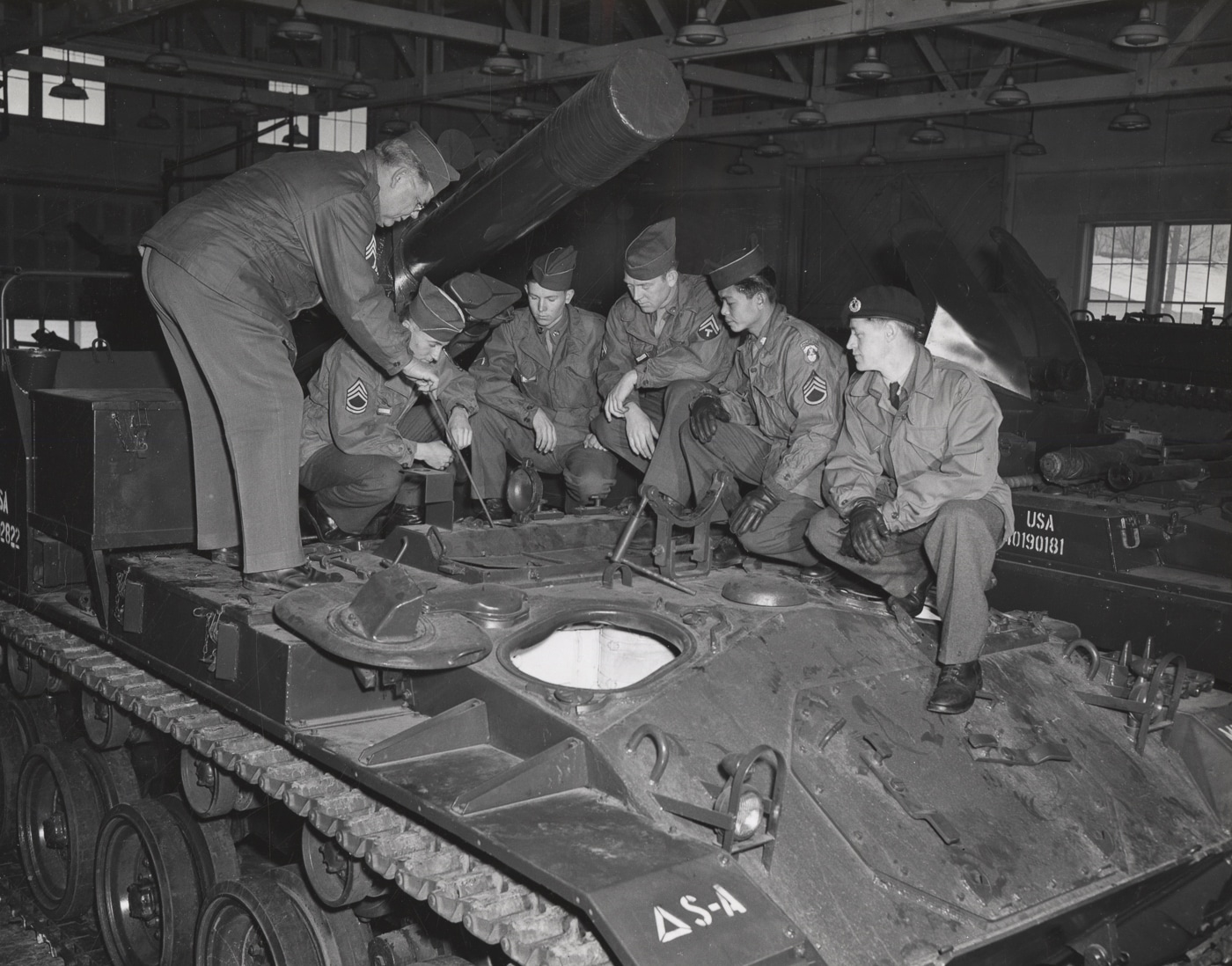
The 8-inch Howitzer Motor Carriage M43 represented the heaviest American self-propelled artillery. Adopted in June 1945 with limited production of just 48 vehicles, it incorporated an 8-inch Howitzer M1 or M2 barrel with a maximum range of 18,515 yards, firing 200-pound shells. This was serious firepower.
The M43 was mounted on an M4 medium tank chassis with a crew of eight. The 8-inch howitzer had been a standard heavy artillery piece in towed form, and putting it on tracks gave the Army mobile heavy fire support capability. A single M43 entered combat in World War II. More would serve in the Korean War.
These late-war vehicles — the M40, M41, and M43 — saw limited World War II service simply because they arrived so late. But they proved their worth in Korea, where mobile artillery supporting rapid advances and withdrawals was essential.
Legacy of American SPA
Many American self-propelled artillery pieces continued service well beyond World War II. The Korean War saw extensive use of M7 Priests, M40s, and M43s. These vehicles proved just as valuable supporting mobile operations on the Korean peninsula as they had in Europe. The ability to keep pace with advancing or retreating forces remained essential.
The lessons learned from World War II self-propelled artillery shaped Cold War doctrine. The emphasis on mobility, the use of proven chassis for rapid development, and the understanding that numerical superiority could compensate for individual technical shortcomings.
American self-propelled artillery in World War II represented a pragmatic response to the tactical challenges of mechanized warfare. These vehicles weren’t perfect. They used open turrets, leaving crews exposed. Early designs like the M3 were basically compromises. But they got the job done. They kept pace with advancing armor, delivered devastating firepower, and helped American forces win the war.
Editor’s Note: Please be sure to check out The Armory Life Forum, where you can comment about our daily articles, as well as just talk guns and gear. Click the “Go To Forum Thread” link below to jump in!
Join the Discussion
Read the full article here